






























Last month we fixed your workout. You now have a dumbbell-only training session that works in any hotel gym with any combination of broken equipment and questionable flooring. If you tried it, good. If you didn’t—go back and review last month’s Fitness. We’ll be here when you return.
This month we tackle the thing that actually determines whether any of that training matters—food. Specifically, how to eat on the road in a way that doesn’t require a cooler bag, a meal prep Sunday, or the willpower of a monk. Let’s start with the honest version of what’s actually happening out there.
You land after a four-leg day. You’re dehydrated. Your cortisol is elevated. Your sleep was broken. And somewhere between the gate and the hotel shuttle, your body has quietly shifted into a biochemical state that makes every bad food decision feel completely reasonable. The pizza at 10pm isn’t weakness. It’s biology.
Here’s what most fitness advice gets wrong about travel nutrition—it assumes you have control over your environment. It hands you a meal plan built for someone with a kitchen, a grocery store, and a predictable schedule. Then it calls you undisciplined when the plan falls apart at 30,000 feet. That’s not a nutrition problem. That’s a strategy problem. So, let’s build a better one.





The Only Goal That Actually Matters on the Road
Forget optimization. When you’re traveling, the goal is not to eat perfectly. The goal is to not undo your progress. That’s it. This single mindset shift changes everything. You stop white knuckling every meal. You stop the all-or-nothing thinking that turns one bad airport lunch into a three-day spiral. You start making decisions that are good enough—and good enough, done consistently, beats perfectly done occasionally every single time.
The One Nutrient You’re Almost Certainly Under-Eating: Protein
This is not because you don’t know protein matters. You do. But because on the road, without your usual routine, protein is the first thing that disappears from your plate and the last thing you think to replace.
Here’s why it matters more than you think right now. Protein keeps you full longer than carbohydrates or fat. It preserves muscle tissue when your training is inconsistent. It has the highest thermic effect of any macronutrient, meaning your body burns more calories just digesting it. And it stabilizes blood sugar, which directly reduces the kind of late-night cravings that end in whatever the hotel lobby is selling at midnight.
Your target is simple. Aim for roughly one gram of protein per pound of your target body weight, every day, regardless of where you are.
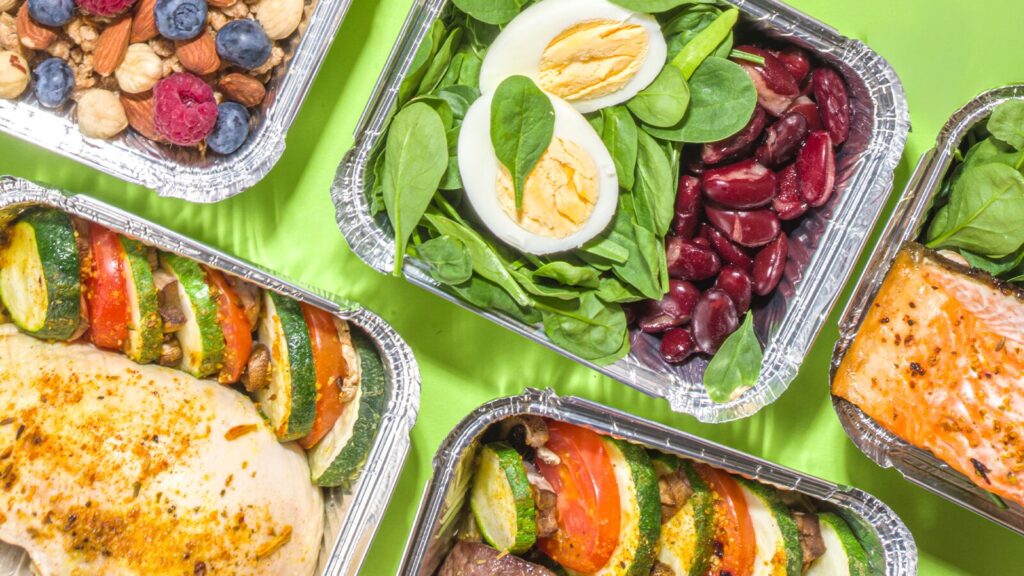
On the road, in practice, that looks like this: Greek yogurt or eggs at the hotel breakfast. Grilled chicken, fish, or a burger without the bun at the crew meal or layover restaurant. A protein bar in your bag as insurance, not a replacement. String cheese, beef jerky, or deli meat from whatever convenience store is near the hotel. You are not building a perfect plate. You are hitting your number.
What to Do at Restaurants (Which Is Every Meal)
You don’t cook on the road. You order. So, let’s talk about ordering like someone who has a goal.
First, anchor every meal with a protein source. Whatever else ends up on the plate is secondary. Steak, salmon, chicken, shrimp, eggs—pick one and build around it.
Second, be honest about alcohol. One drink with a client dinner is a social reality. Four drinks because the overnight is boring is a choice that costs you more than the calories. Alcohol suppresses fat oxidation for hours after consumption and destroys sleep quality in ways that compound over a trip. This isn’t a lecture. It’s a dashboard reading. Know what the gauge says.
Third, don’t fear the menu. Most restaurants will build you something reasonable if you ask directly. Protein plus a vegetable plus whatever else fits your goal. Sauces on the side. Skip the bread if you’re not hungry—include it if you are and adjust elsewhere. Rigid rules break under travel pressure. Flexible principles hold.
The Hydration Problem Nobody Talks About
You are chronically dehydrated and you don’t know it. Cabin air at cruising altitude has humidity levels between five and twenty percent. A typically comfortable room sits around forty to sixty percent. That gap is silent and cumulative. By the time you feel thirsty at altitude, you’re already meaningfully dehydrated.
Dehydration increases cortisol. Elevated cortisol drives fat storage, particularly visceral fat which is the dangerous kind that accumulates around your organs. It also mimics hunger, which means a significant portion of what you’re interpreting as food cravings on long flights is actually your body asking for water.
The fix is not complicated. Sixteen to twenty ounces of water before boarding. Continue drinking throughout the flight. Electrolytes (a simple packet in your bag) make a measurable difference in how you feel and how your body functions on arrival.
This one habit, done consistently, is worth more than most supplements you’re probably considering.
The Real Takeaway
Hotel gyms aren’t the problem. Lack of strategy is. That was last month’s conclusion, and it applies here too. Just swap gym for meals.
- You are not failing at nutrition on the road because you lack discipline. You’re failing because you’ve been handed a system built for someone else’s life and told to make it work in yours.
- Hit your protein. Anchor every meal with a real food source. Make the best available choice — not the perfect one.
- Stay hydrated.
Do these consistently across a month of trips and you will look and feel categorically different than the version of you that started reading this column.
Next month, we go practical in a different way. No gym. No equipment. No excuses. We’re going to walk through a full four-day trip, day by day, and show you exactly which habits to prioritize when the hotel gym isn’t happening. Sleep, movement, recovery—the unglamorous stuff that quietly determines everything else. That’s next month.