








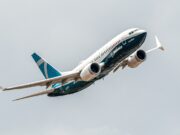

































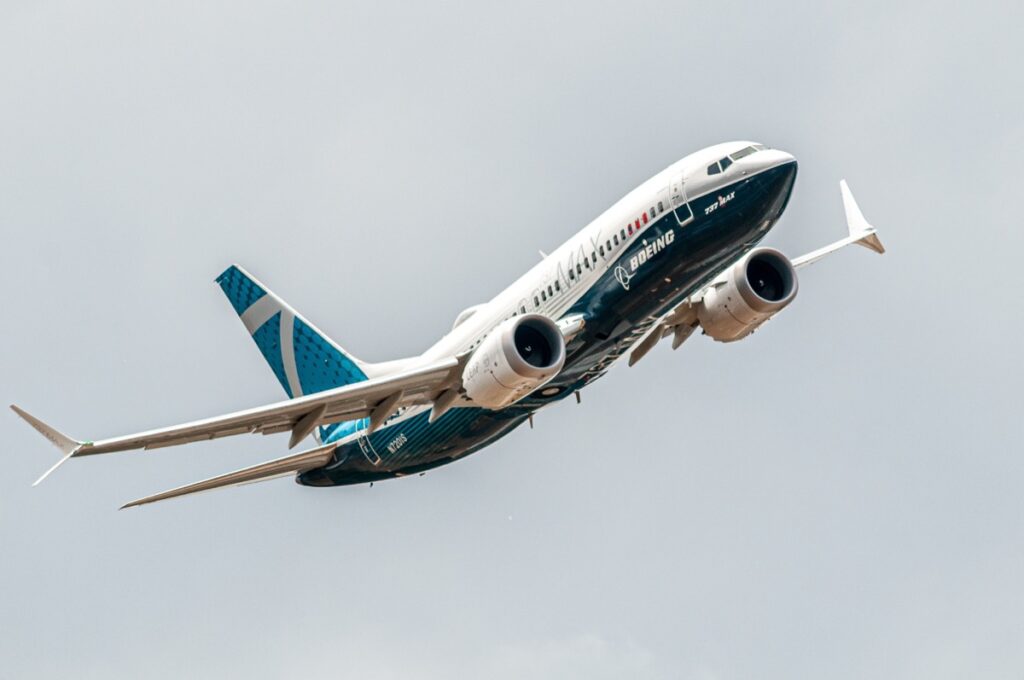
The FAA issued an amended type certificate for the Boeing 737 MAX 7 on August 3, 2026, ending a years-long certification delay and clearing Boeing to begin deliveries in early 2027. Southwest Airlines, which holds roughly 90 percent of MAX 7 orders, is the aircraft's principal customer and has targeted first-quarter 2027 for receiving the type and entering revenue service.
Boeing secured FAA approval without simultaneously pursuing European Union Aviation Safety Agency validation — a deliberate decision driven by the MAX 7's concentrated order book. With one U.S. carrier accounting for the overwhelming majority of the backlog, there is no immediate commercial case for EASA validation. Boeing has indicated it can revisit European approval if demand shifts.
That strategy is separate from any regulatory tension with EASA. Under the U.S.-EU Bilateral Aviation Safety Agreement, EASA validates foreign type certificates rather than conducting independent certification from the start. The process is designed to avoid duplicative regulatory work across major markets. However, validation still requires engineering and regulatory resources — EASA reviews the certification basis, the FAA's findings, and can request additional analysis or testing before accepting a foreign certificate.
The relationship between EASA and Boeing changed significantly after the Lion Air Flight 610 crash in 2018 and Ethiopian Airlines Flight 302 crash in 2019. Both accidents involved the aircraft's Maneuvering Characteristics Augmentation System, known as MCAS. The subsequent investigations identified failures in aircraft design, pilot information, and regulatory oversight. EASA responded by conducting independent technical assessments of the 737 MAX rather than relying on FAA conclusions, and required additional work before permitting the MAX 8 and MAX 9 to return to European service. That precedent means validation is no longer a procedural formality — Boeing must account for the possibility that European regulators will raise additional engineering questions or impose schedule requirements.




For the MAX 7, deferring that process is a straightforward resource allocation. The aircraft's market is almost entirely domestic, so FAA certification resolves the regulatory requirement that matters to Boeing's immediate delivery schedule. Pursuing EASA validation simultaneously would add cost and engineering work with no near-term revenue attached.
The calculus is different for the Boeing 737 MAX 10. Ryanair has publicly followed the MAX 10's certification progress and expressed interest in adding the type to its fleet. A broader international customer base makes European validation commercially consequential for that variant — a delay in EASA approval could affect deliveries and fleet planning for European carriers even after FAA certification is complete. The MAX 10 therefore represents a more significant test of Boeing's post-crash relationship with European regulators than the MAX 7 does.
For Southwest crews, the August certification milestone is the regulatory step that had to happen before the carrier could firm up its fleet transition. Southwest's fleet strategy centers on an all-Boeing single-family operation, and the MAX 7 adds range and capacity flexibility within that framework. With the FAA certificate in hand, Boeing can move toward production and delivery preparation rather than holding the program in regulatory limbo.