













































Title 14 CFR §117.5 mandates that before every Part 121 flight we sign our name on our release stating we are in fact “fit for flight” before we take paying passengers or boxes to their destinations. But, are we fit by the end of any flight?
Every time we step into the flight deck, there are the hazards that are NOT cited in your threat brief, yet they are present every flight. Here is a shocking narrative of what happens within your body during EVERY flight you have ever flown.
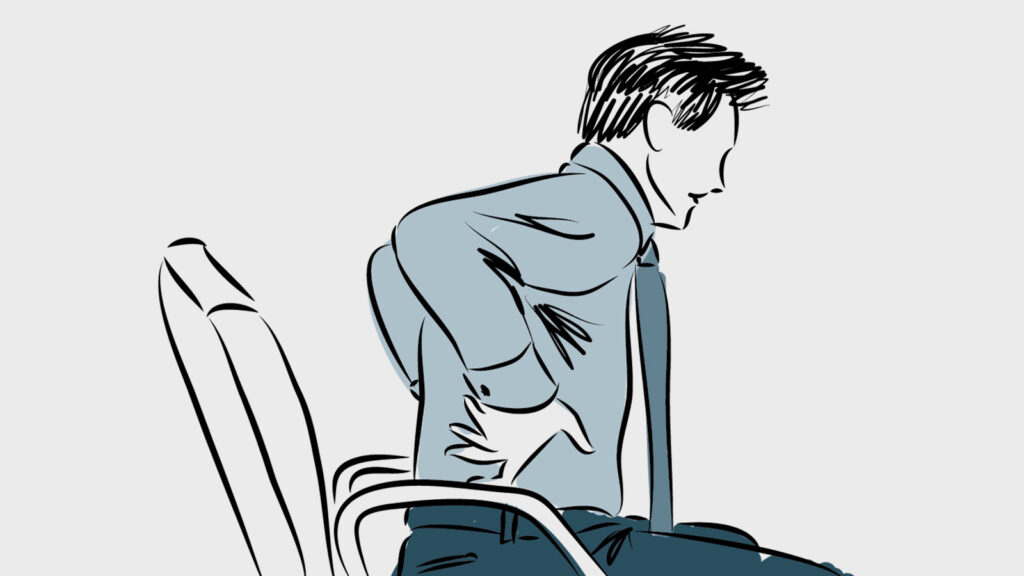
Quietly, deep below your knees, your blood thickens, congeals, and stagnates in dormant muscles. For years, your life force is being damned in your legs . . . and potentially breaking free with catastrophic consequences. As this is happening, your body’s natural Liquid Plumber® is waning in effectiveness at keeping veins and arteries clear. Your muscles are atrophying and developing cobwebs due to lack of use and setting up your lower back for shooting needles of pain when you pick up a gallon a milk—decades earlier than it should. Your enzymes, tasked with breaking down fatty acids, are suppressed, increasing the likelihood of body-fat retention. Your soft, jelly-like spinal discs that are designed to keep you safe and mobile are constantly compressed. It’s only a matter of time until that jelly begins to bulge out, causing serious pain and trauma in the lower back. Toxic sugars in your blood are reaching saturation because your body is struggling to process them in a timely manner. Lastly, and most terrifyingly of all, fresh oxygen, nutritiens and life force are slowly being starved from your command center of the flight itself—your brain. Your brain is now less capable to react, think critically, problem solve, and far less alert for landing. Over time, your brain is being set up for depression every time you step foot into the flight deck due to these threats.
Why aren’t thesein the Threat and Error Management (TEM) briefing?




Well, it may be a little long winded and you may have already stopped paying attention after you were told it’s a two-engine taxi—but still, how could we succinctly classify these threats into one threat that encapsulates these consistently present, terrifying, biological phenomena of flying?
Actually we can, in one word—sitting.
Described above are the dangers of sitting for hours on end, day after day, for years. This is something ALL airline pilots are forced to do. Sitting can cause deep vein thrombosis, and blood clots, leading to a possible embolism or stroke one day. Sitting lowers HDL (good cholesterol) whose task is akin to Draino®, flushing artery-clogging bad (HDL) cholesterol from your blood. Sitting causes muscular atrophy and imbalances putting lower backs on notice to fail. Sitting slows our metabolism almost ensuring a dad bod by age 30. Sitting increases your risk for type 2 diabetes by lowering insulin sensitivity. Sitting causes extreme stress on your vertebrae and the jelly that protects your delicate nerves from being pinched or crushed. (Ask a captain, over the age of 45, if he or she knows how that feels.) Sitting causes mental and cognitive fatigue ultimately making you LESS fit to fly by the end of your flight for arguably, the most dangerous phase of flight—landing.
Every flight has hazards. Their existence doesn’t mean we cancel a flight, but we brief them and find ways to mitigate the significance of their effects. Here are actions that I, a certified physical fitness trainer and nutrition coach, recommend you take for your next flight (and every flight) to quash these threats.
Preflight: Before push, time allowing, take time to stretch hamstrings, calves, hip flexors for two to three minutes. Include light calf raises, or even ankle circles, to encourage blood flow before your 45-minute taxi at KCLT. (Add another ten minutes for the poor souls originating in gate E.)
Cruise: Set an hour timer on your chromometer of choice (I prefer my Steve Jobs timepiece.) and when it expires, stand for a couple minutes. If standing isn’t possible, contract your glutes, thighs, and calves for sets of 20. This can do wonders for your circulatory health preventing stagnation of fresh nutrients. Aim to drink at least 16 ounces of water for every two hours of flight. (Yes, you can brief the flight attendants that you may need to use the restroom about every two hours as well.)
Post flight: If you are not conducting the walkaround, get up. Move.Take a walk up to the gate to check for jump seaters, or use the terminal restroom. Do something.Take advantage of every opportunity to move. If you don’t feel like it, refer to the exhaustive list of warnings above.
All these mitigation techniques can minimize the threats, but what can make sitting an almost completely non-issue are your habits outside the flight deck. Pilots with more muscle mass burn more calories and are therefore less likely to see metabolic slow down. They are also less likely to see insulin spikes as muscle absorbs excess glucose. The more muscle you have, the more blood pathways(capillaries and blood piping throughout the body) you have to prevent stagnation. The more muscle you have the better and longer you can withstand the stresses of sitting thereby protecting your back and preventing muscle atrophy.
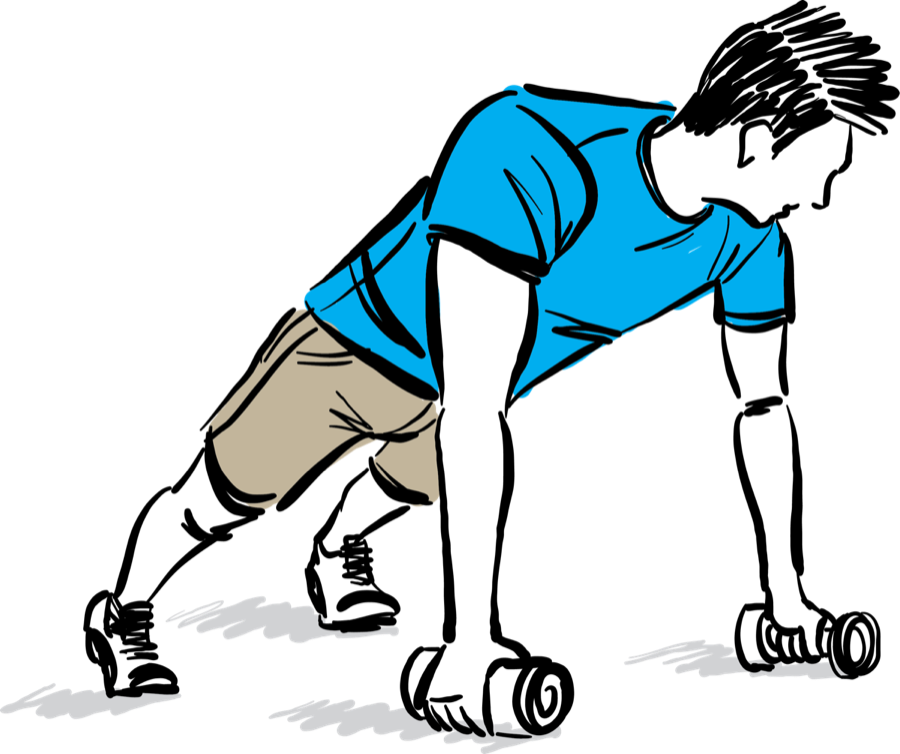
Pilots with better body-fat composition experience better blood flow due to less visceral fat putting pressure on organs and their blood vessels. Those with lower body fat experience less inflammation-causing chemicals (called cytokines), reducing the damages caused by sitting. Just as those with more muscle, less body fat allows insulin to reach cell receptors easier, making your pancreas work less to produce enough insulin to receive a positive response. As with a pool pump—if you don’t clean the filter (excess fat in the blood stream) the pump is more likely to fail sooner having had to pump much harder. Less fat means less weight, reducing the stress on all joints, and especially on your spine. And lastly, less fat allows for better heat regulation, so you can stop freezing out your customers with the pack switches because your sense of heat regulation is off.
As a fat-loss and fitness coach who is also a 737 captain, I submit these threats are a clear and present danger to me, but rarely are they clear to crew with whom I fly. Before push, you might offer this article as a supplemental preflight threat analysis. Their health, career and sanity may depend on it. Knowledge is power!
Following the recommendations in this plan may allow you to confidently say you are properly fit to land EVERY flight.