














































In the United States, the FAA is ultimately responsible to oversee the safety, design, production, and airworthiness of all U.S. civil aviation products. Aircraft-type certification in the United States is governed by 14 CFR Part 21, with transport-category airplanes required to demonstrate compliance with applicable 14 CFR Part 25 airworthiness standards. Up to eight phases of testing and certification are required for an aircraft to be certified, beginning with the application. The length of time can vary significantly, and ranges from five to seven years. Manufacturers must complete extensive engineering analyses, ground testing, flight testing, and safety evaluations before receiving approval. An aircraft that is a modification of an existing certified model may take considerably less time, often two to four years, depending on the changes involved.
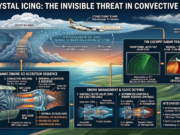
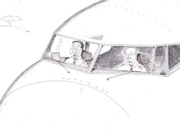
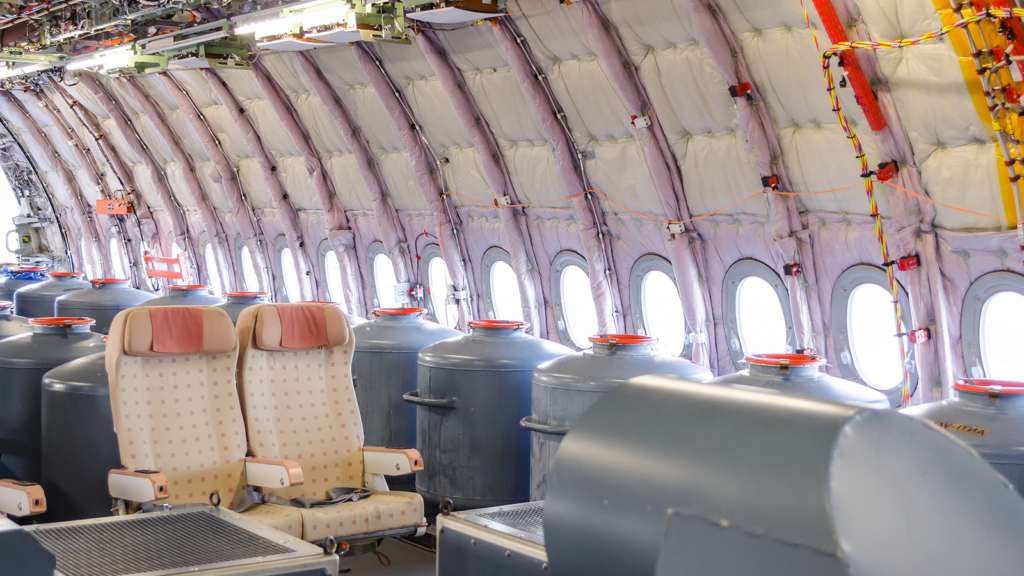
Perhaps the most interesting phases are both the ground and flight testing. During ground testing, manufacturers evaluate the structural strength, landing gear, engines, flight controls, electrical systems, and emergency equipment under normal and extreme conditions. During flight testing, specially instrumented aircraft are flown through a wide range of scenarios, including stalls, engine failures, high-speed operations, crosswind landings, icing conditions, and emergency procedures. Both FAA and manufacturer flight-test pilots and engineers are involved in ground and flight tests.
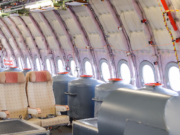
When it comes to evacuation certification, the full aircraft must be evacuated within 90 seconds. For such test, under 14 CFR §25.803, only half of the emergency exists are used. Such a scenario simulates inoperable emergency slides or blocked/unusable exits. This rule applies to any aircraft with a capacity exceeding 44 passengers. The evacuation is completed when the last occupant reaches the ground, stand or ramp.
Given the critical role of aircraft engines on flight safety, engines undergo rigorous testing simulating extreme conditions. These include bird ingestion, water and hail ingestion, and extreme temperature and altitude exposure. An engine can be destroyed during a certification test and still pass. What matters is whether the damage remains within the safety limits established by the FAA. Engineers inspect the damaged engine, analyze high-speed footage and sensor data, identify the failure mechanism, and determine whether design modifications are necessary.



The process of aircraft certification has the safety of the traveling public at its core and represents the culmination of thousands of hours of testing, engineering validation, and regulatory scrutiny, providing the technical foundation for an aircraft to safely enter into commercial service.