

































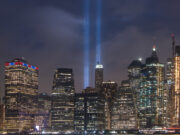





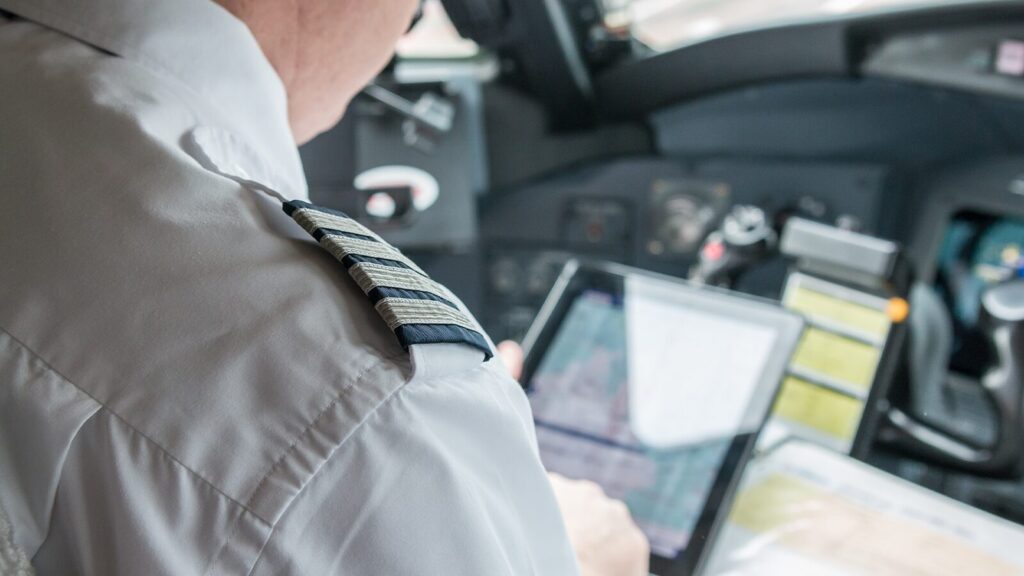
The National Airspace System (NAS) includes Special Use Airspace to restrict or regulate civilian operations in sensitive areas. While many of these areas are permanent, Temporary Flight Restrictions (TFRs) may be established at any time by the FAA through the NOTAM system. The modern use of TFRs expanded significantly following the September 11, 2001 terrorist attacks. As a result, prior to flight, pilots are required to review all applicable NOTAMs to avoid inadvertent entry into restricted airspace.
NOTAMs associated with TFRs provide critical information, including geographic boundaries, effective times, altitude limits, and operational restrictions for aircraft operating in or near the affected area.
A common example is the VIP TFR, which is implemented when government officials, such as the president or vice president, are traveling. These TFRs typically consist of one or more concentric rings of airspace that become active for defined periods. Violations can result in significant enforcement action and may prompt a response from the Department of Defense, including the interception of the violating aircraft. Because VIP TFRs can be issued or modified with little notice, it is essential to review FDC NOTAMs before every flight, including routine operations near home airports.
TFRs may also be issued for major sporting events. The FAA determines when such restrictions are necessary to protect persons and property on the ground. Under current regulations, the “stadium TFR” prohibits aircraft and parachute operations at or below 3,000 feet AGL within a 3 NM radius of qualifying venues (with a capacity of 30,000 or more) during events such as Major League Baseball games, NFL games, NCAA Division I football games, and major motor speedway events. These restrictions are in effect nationwide and apply from one hour before the scheduled start time until one hour after the event concludes.




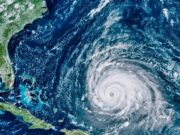
Additionally, TFRs may be established in response to disasters or hazards. A notable example occurred following Hurricane Katrina in 2005, when widespread flooding, infrastructure damage, and communication failures created a highly complex operating environment along the Gulf Coast, particularly in the New Orleans area. The FAA implemented a large-scale TFR to support emergency response efforts. The primary objective was to create a controlled airspace environment that allowed military, law enforcement, medical evacuation (MEDEVAC), and humanitarian relief flights to operate safely and efficiently without interference from non-essential air traffic. By restricting access, the FAA ensured safe airspace deconfliction for the high volume of low-altitude rescue, transport, and supply operations, while also addressing security concerns in an unstable post-disaster environment.
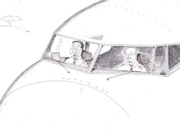
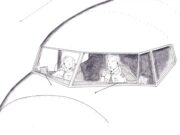
If a pilot is intercepted by a military aircraft for a TFR violation, the intercepting aircraft will attempt to identify the intruder and establish communication via radio or visual signals, such as rocking wings. Once contact is established, the pilot will be instructed to follow the intercepting aircraft out of the restricted area. Compliance is critical. Enforcement actions are determined by the FAA based on investigations conducted in coordination with the TSA, with potential outcomes including fines, certificate suspension, or revocation.
TFR violations have decreased over time due to improved pilot education and awareness. However, TFRs remain dynamic in nature—particularly VIP TFRs, which may be activated, extended, or canceled with minimal notice. Pilots should plan accordingly, especially when operating near an airport shortly after a TFR is scheduled to expire, as delays, airborne holding, or diversion may be required.