
















































You felt motivated today. Three legs down. You still want to train. You’re staring at a 12-hour overnight, and you already know how this story usually goes—it’s the hotel gym … if at all.
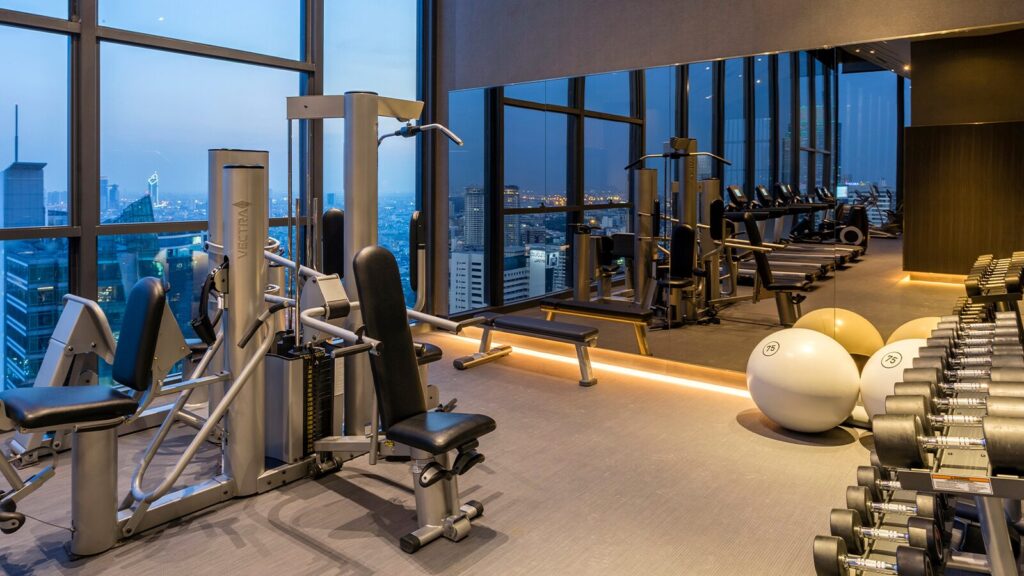
So here you are. Standing at the door of an empty, slightly run-down, slightly depressing hotel gym with a treadmill that sounds like it’s on life support, a dumbbell rack that tops out at 50 pounds and a vague urge to say, “This place is missing … I’ll work out when I get home.”
We all know this feeling. and we also know the truth—you probably won’t work out when you get home. This has been happening for months. Your slacks aren’t fitting as well, you’re more exhausted after trips, your low back aches and you crave sweets more than you used to. Flying feels harder than it should.
These aren’t random annoyances. They’re early warning signs. This is the well-worn traveler’s path toward chronic disease—high blood pressure, insulin resistance, chronic inflammation, heart disease—and eventually chronic unhappiness.

If this description ha hit a little too close to home, good. Awareness is the first step out. Now let’s talk about the HOW.
How do you separate yourself from the tired, overweight, stressed airline pilot and become the fit, motivated, healthy professional who rises above the obstacles of this job? We start with training. This “Get Fit for Flight” series begins exactly where most of us find ourselves too often—a mediocre hotel gym, with 45 to 60 minutes and limited equipment.
So, what can you do? What exercises matter most? How long should you train? What if the weights feel too light? And on and on …
Here’s the answer most people don’t want to hear: Resistance training is a more valuable use of your weekly time than cardio. I’ve covered the why in previous columns. Today we focus on execution.
Light weights don’t mean light results if you know how to apply fatigue correctly. What follows is a dumbbell-only workout that will challenge strong people using nothing more than weights up to 50 pounds.
The goal is maximum muscle fatigue, minimal joint stress, and zero excuses. Plan for 45 to 60 minutes total. Rest 30 to 60 seconds between sets. Move slowly and with control. Stop one to two reps before failure. This workout is designed for airline pilots who aren’t looking to compete in body building; its designed to give you a one-stop workout to dramatically reduce pain caused by sitting and increase your metabolic activity with muscle development so that you can feel BETTER FASTER.
I highly recommend watching a YouTube video or two on any of these workouts if you’re not familiar!
Dumbbell Romanian Deadlift / Four sets of 10 to 12 reps
This exercise matters because travel destroys posterior-chain strength. Sitting for hours shuts down the glutes and hamstrings, which is why low backs start barking and posture collapses. This movement restores hip strength, protects the spine, and improves long-term metabolic health. To make it harder, slow the lowering to four or five seconds, add a two-second pause at the stretch, or perform single-leg Romanian deadlifts. To make it easier, shorten the range of motion, reduce reps to eight to ten, and prioritize perfect form.
Goblet Squat (heels elevated if needed) / Four sets of 12–15 reps
This is the safest squat pattern in a hotel gym. It trains the legs, core, and posture without heavily loading the spine. Elevating the heels helps counteract tight ankles from flying and shifts more work to the quads. To make it harder, slow the descent, pause at the bottom, or finish each set with controlled partial reps. To make it easier, reduce depth, lower reps, or use a bench as a depth guide.
Bulgarian Split Squat / Three sets of 8 to 10 reps per leg
Single-leg training exposes imbalances created by sitting and uneven movement patterns. This exercise builds serious leg and glute strength with lighter weights while challenging balance and core stability. To make it harder, slow the eccentric, pause briefly at the bottom, or increase reps before weight. To make it easier, keep the rear foot on the floor, shorten the range of motion, or hold onto a wall or rail for balance.
Single-Arm Dumbbell Row / Four sets of 10 to 12 reps per side
Strong upper backs prevent rounded shoulders, neck tension, and chronic cockpit posture. This movement balances pressing exercises and supports long-term shoulder health. To make it harder, pause at the top, slow the lowering phase, and increase time under tension. To make it easier, reduce reps, or limit range of motion initially.
Dumbbell Floor or Bench Press / Three to four sets of 10 to 12 reps
Pressing builds upper-body strength without excessive shoulder stress when done correctly. Particularly, floor pressing limits overextension, making it ideal for tired shoulder joints during heavy travel weeks. To make it harder, slow the lowering, pause just off the floor or chest, or alternate arms. To make it easier, use a neutral grip, reduce reps, or choose floor press if shoulders feel tight.
Loaded Carry Finisher / Three rounds of 30 to 45 seconds
Carries combine core strength, posture, grip, and conditioning in one movement. They reinforce standing tall after days of sitting and finish the workout without beating up joints. To make it harder, increase duration, slow your walking pace, or perform single-arm carries. To make it easier, shorten the carry time, reduce weight, and rest longer between rounds.
The big takeaway is simple —hotel gyms aren’t the problem. Lack of strategy is. If you understand why each exercise exists and how to scale it, you’ll never need perfect conditions again. Do this workout three times per week and you will be far ahead of the pack. Try this workout on your next overnight and see how your body responds.
Next month, we’ll tackle my favorite—and least understood—topic: FOOD.