















































Illinois Senators Richard J. Durbin and Tammy Duckworth have called on Federal Aviation Administration (FAA) Administrator Bryan Bedford to increase investment, staffing, and modernization efforts at Chicago O’Hare International Airport (ORD). In a joint letter, the senators urged the FAA to make O’Hare a top national priority for air traffic control resources and technology upgrades, citing the airport’s critical role in the U.S. aviation system.
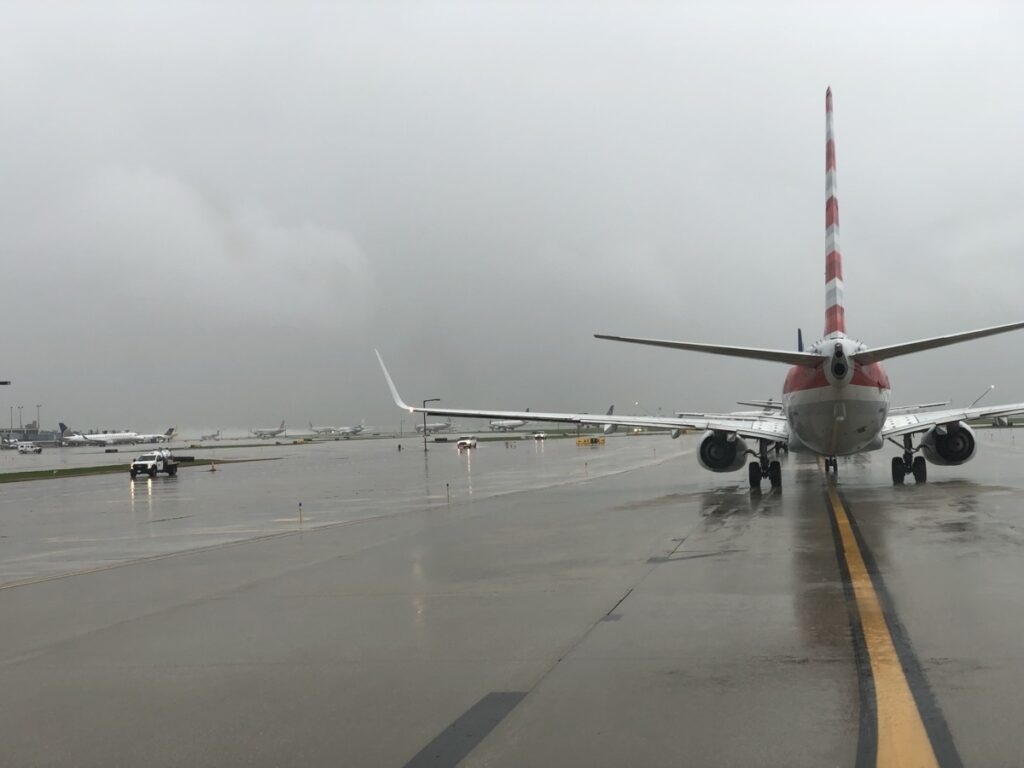
The senators noted that O’Hare was the busiest airport in the country in 2025, with 857,392 aircraft operations—more than any other U.S. airport. Despite this status, the FAA’s current air traffic control staffing levels in the Chicago region fall significantly below targets set by both the FAA Air Traffic Organization and the National Air Traffic Controllers Association. According to the letter, O’Hare Tower, Chicago TRACON, and Chicago Center are each operating with 75–85% of the recommended controller workforce.
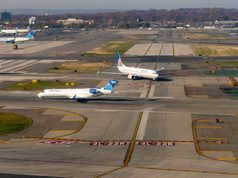
Durbin and Duckworth also pressed the FAA to make full use of O’Hare’s available runways, including Runway 9R, which they say could reduce flight delays and improve airport efficiency. They emphasized that using only two of the airport’s three runways limits capacity and contributes to congestion.
The lawmakers pointed to recent federal appropriations as an opportunity for the FAA to take action. Combined, the One Big Beautiful Bill Act and the Consolidated Appropriations Act, 2026 provide more than $34 billion in funding for aviation modernization, including the hiring and training of 2,500 new air traffic controllers.



In addition to staffing and operational improvements, the senators urged the FAA to give fair consideration to federal grant applications for O’Hare’s Terminal Area Plan—a major modernization project designed to expand gate capacity by approximately 25%. The project, developed in partnership with airlines, aims to improve efficiency and reduce congestion at the nation’s busiest airport.
Durbin and Duckworth concluded their letter by emphasizing O’Hare’s central role in national aviation and calling for the FAA’s full support to ensure the airport’s continued success