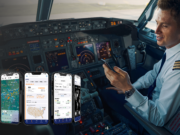































WASHINGTON — The National Transportation Safety Board issued three safety recommendations Wednesday aimed at improving pilot preparedness for smoke-in-cockpit emergencies through realistic, scenario-based training.
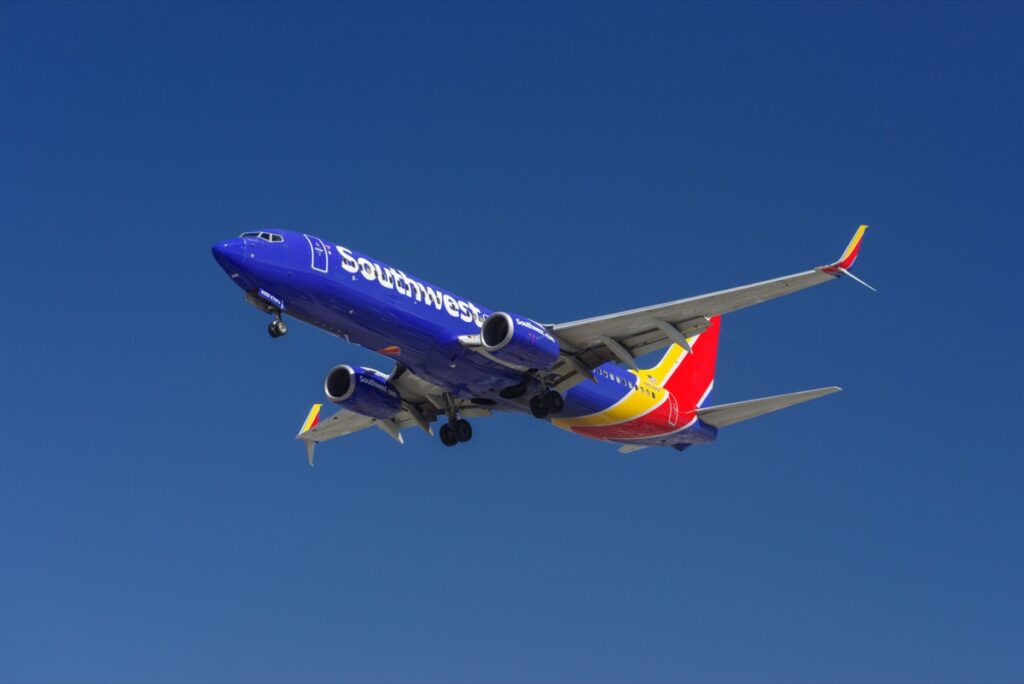
The recommendations stem from the NTSB’s investigation of a Dec. 20, 2023, incident involving Southwest Airlines flight 554, a Boeing 737-8, on departure from Louis Armstrong New Orleans International Airport. Shortly after takeoff, a bird was ingested into the airplane’s left engine, followed by smoke rapidly filling the cockpit.
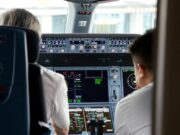
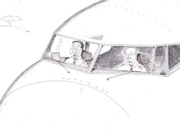
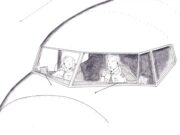
The flight crew reported difficulty seeing flight instruments and checklist items as visibility deteriorated within seconds. The pilots donned oxygen masks, completed emergency procedures, declared an emergency and safely returned to the airport. None of the 139 people aboard the airplane were injured.
The crew described the surprise, adrenaline and restricted visibility as far more challenging than anything they had experienced in training. “If such an event occurred at night or in instrument meteorological conditions, the consequences could be catastrophic,” the NTSB determined.




The NTSB noted that although the Federal Aviation Administration receives nearly daily notifications of flights in which crews declare emergencies due to smoke in the cockpit, passenger airlines are not currently required to conduct realistic smoke-in-cockpit simulation training. Existing training often consists only of verbal discussion of a smoke event rather than immersive simulation involving reduced visibility or elevated workload.
Investigators found that current recurrent pilot training may not adequately prepare crews for the workload, stress, limited visibility and time-critical decision making associated with actual smoke emergencies in the cockpit.
The NTSB recommended that the FAA work with industry to develop standardized, realistic smoke-in-cockpit simulation training for pilots and incorporate that training into its guidance for overseeing airline training programs.
In addition, the NTSB urged Airlines for America and the Regional Airline Association to share information from the Southwest incident with their member airlines and encourage the use of realistic smoke-event simulations in pilot training.
The seven-page Aviation Investigation Report, AIR-26-03, and the Southwest Airlines incident report, are both available on the NTSB website.