






















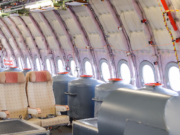






























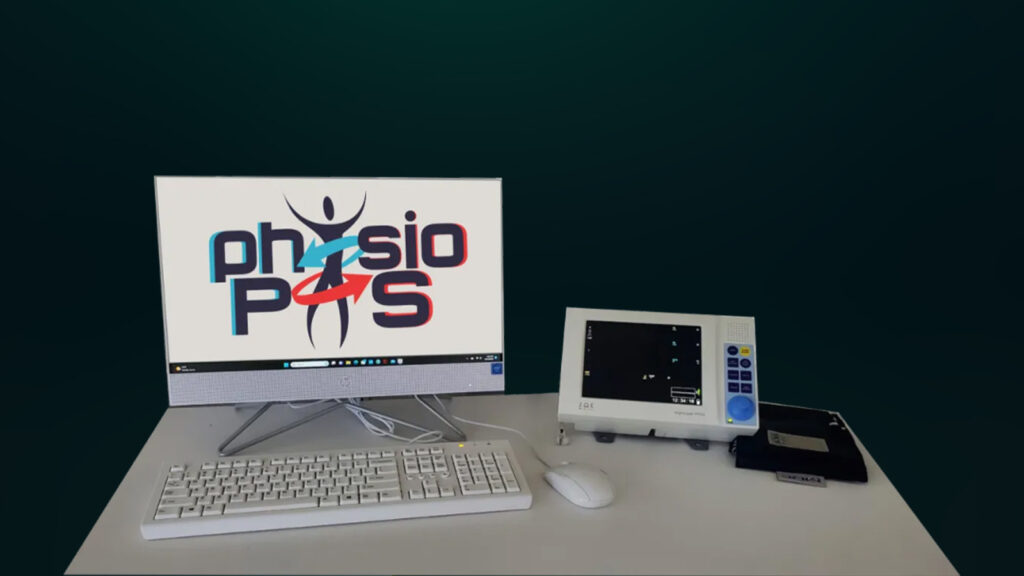
While the aviation industry has long maintained that cabin air quality meets safety standards, there is mounting evidence to suggest that toxic fumes from aircraft engine oil, hydraulic fluids, and cleaners are causing a constellation of serious health problems in pilots, flight attendants, ground crew and frequent fliers—a condition known as Aerotoxic Syndrome.
The industry has always maintained they meet air quality standards which may be true, but the major incidents and cumulative effects are what cause the health problems.
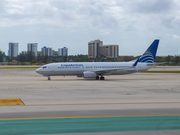
With the exception of the Boeing 787, today’s commercial aircraft use “bleed air” systems that pull compressed air directly from jet engines into the cabin unfiltered. When engine seals fail or maintenance issues arise, this air becomes contaminated with a potent organophosphate neurotoxin, along with carbon monoxide, toluene, and other harmful substances.
While the Federal Aviation Administration describes contaminated air incidents as “rare,” records indicate that fume events now occur at a frequency of nearly 108 occurrences per million departures. The range of symptoms reported by those affected by a fume event is extensive precisely because the autonomic nervous system controls so many bodily functions.




Patients commonly experience:
- Severe brain fog and cognitive impairment
- Chronic fatigue and anxiety
- Cardiovascular irregularities
- Gastrointestinal disorders
- Headaches and neurological symptoms
- Chemical sensitivities
- Memory loss and speech impairment
- Vision problems
- Numbness and tingling in extremities
Because affected individuals present with such a wide array of symptoms, many doctors struggle to provide an accurate diagnosis. Without understanding that the root cause lies in autonomic nervous system dysfunction at the cellular level, physicians often treat individual symptoms rather than addressing the underlying problem. Moreover, most medical schools do not train physicians extensively on the autonomic nervous system, leaving practitioners at a disadvantage when confronted with a patient with an autonomic disorder.
Many patients find themselves bouncing from specialist to specialist, collecting diagnoses that fail to explain the full picture. Some are eventually referred to psychiatrists under the mistaken belief that their symptoms are psychological rather than physiological. This pattern of misdiagnosis can continue for years, leaving patients without effective treatment and unable to function normally.
Physio PS, Luminary, affiliated physicians, and researchers have conducted extensive testing and have provided care for numerous individuals impacted by aerotoxic events. They are now developing plans to expand their network of testing partners and standardizing protocols. Collaborating with airline unions, government agencies, and global independent testing organizations is essential to ensure comprehensive support and easy to reach testing.
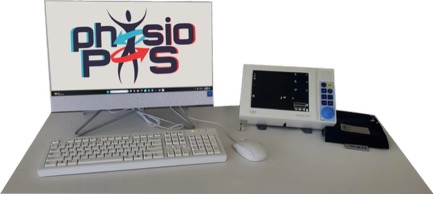
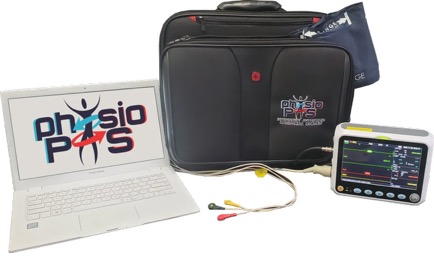
Recent advances in diagnostic technology offer hope for those suffering from aerotoxicity and similar conditions. Physio PS, Inc. can monitor and differentiate between the two branches of the autonomic nervous system, providing physicians with a clear picture of which branch (or both) is operating abnormally. This diagnostic capability is crucial because treatment protocols differ depending on whether the sympathetic or parasympathetic system is over- or under-functioning. A sample report will then look like this:
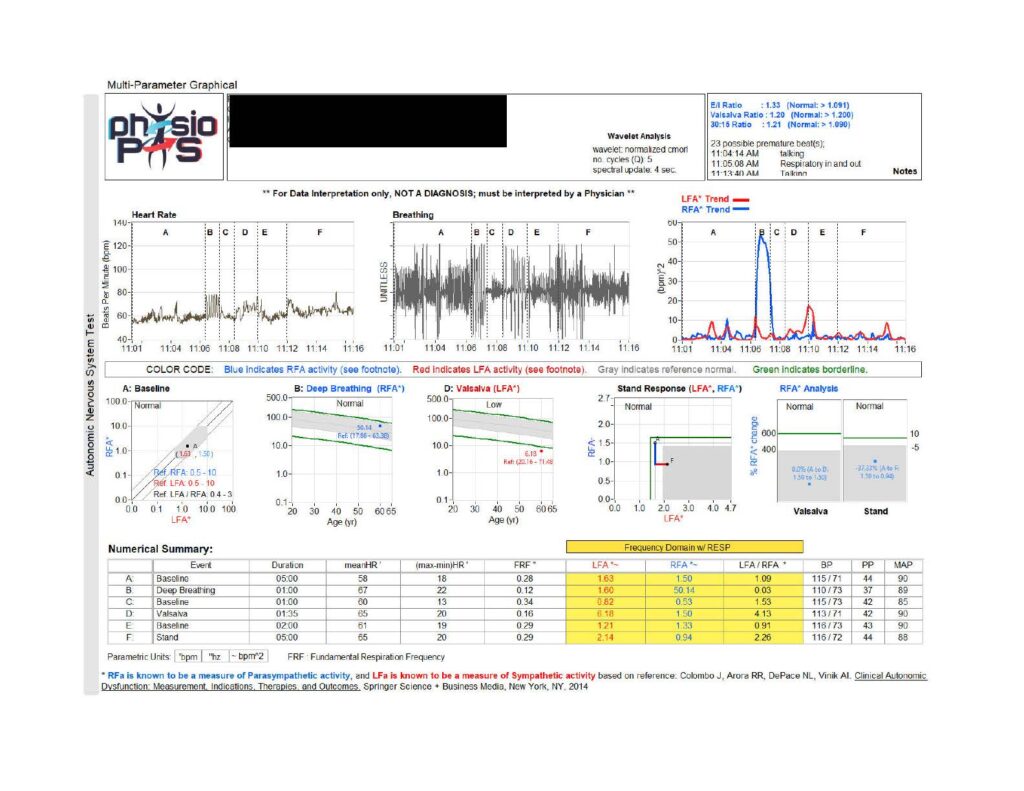
Our new AI based diagnostic reporting tool is a game changer.

With proper diagnosis, physicians can develop targeted care plans that address the root cause of autonomic dysregulation. Treatment typically involves:
- Low-dose pharmaceuticals to rebalance autonomic function
- Targeted nutritional supplements, particularly R-alpha-lipoic acid (a powerful antioxidant)
- Proper hydration protocols using electrolyte carriers (sodium and potassium)
- Gradual, supervised exercise programs to retrain the nervous system
- Removal of ongoing toxic exposures
Physio PS, Inc. technology uses FDA-cleared algorithms to analyze ECG, respiratory rate, and blood pressure data, providing objective measurements of autonomic function. An emerging AI-assisted diagnostic system promises to streamline the process further, potentially achieving 90-95% diagnostic accuracy based on extensive databases of previous cases and published research.
Success Stories: Recovery Is Possible
Clinical results demonstrate that with proper diagnosis and treatment, patients can achieve significant improvement. Those who previously could not function on a daily basis have reported feeling “magically better” within three to six months of beginning targeted care plans, allowing them to return to normal lifestyles.
The key is early intervention and comprehensive treatment. Unlike the “sick care” model that focuses on managing symptoms indefinitely, this approach addresses cellular-level damage and supports the body’s natural healing mechanisms.
“After two decades as a flight attendant, I began experiencing health issues like fatigue, brain fog, stomach pain, and dizziness,” said Michelle. “Even though I visited several doctors and specialists, my condition only worsened, which ultimately forced me onto disability and led to the loss of my job. By doing my own investigation and connecting with colleagues who were also affected, I discovered Physio PS testing and Luminary Clinic in New Hampshire. After taking a simple test and starting their treatment plan, I noticed improvement and remain hopeful about making a full recovery.”
Prevention: Protecting Yourself Before You Fly
While systemic changes to aircraft design and maintenance procedures are needed, individuals can take steps to protect themselves from toxic exposures during air travel:
- Ensure proper hydration before flying—use electrolyte solutions containing sodium and/or potassium, not just water
Consider taking antioxidant supplements like R-Alpha-Lipoic Acid acid before flights - Be aware of unusual odors during boarding and flight (described as dirty socks, musty/moldy, old cheese, or chemical smells)
- Avoid breathing air from vents if contamination is suspected
- Document any exposure incidents and seek medical evaluation if symptoms develop
A Broader Issue: Not Just Aerotoxicity
The same cellular-level damage and autonomic nervous system dysfunction seen in aerotoxicity occurs in other conditions as well. Long COVID, post-viral syndromes, postural orthostatic tachycardia syndrome, and exposure to other environmental toxins and stress can all cause oxidative stress that impairs nervous system function. The Physio, PS, Inc. autonomic nervous system monitoring and treatment approaches that prove effective for aerotoxicity have for many years benefitted a much broader patient population suffering from unexplained chronic symptoms.
Dr. MaryBeth Ayer uses Physio PS autonomic nervous system testing alongside Hair Tissue Mineral Analysis to uncover how chronic stress disrupts the nervous system and creates severe mineral deficiencies that can drive debilitating symptoms. After her own health collapsed leaving her nearly bedridden and barely able to walk, she rebuilt her health by restoring nervous system function and correcting those underlying deficiencies. Today she works with clients across the country to identify the root causes of chronic symptoms and restore their health.
“Physio PS technology is truly unmatched when it comes to identifying nervous system dysfunction,” says Dr. MaryBeth Ayer. “It completely changed my life when I was at my sickest, and I now see it change the lives of the people I work with every day.”
Steve, a professional golfer reports, “I found Physio PS testing from a doctor who was trying to figure out my health issues. I got Covid twice and the second time was really bad even though I was vaccinated, it took a while to get over it but even after recovering I was not the same. I had no energy, brain fog, pain when I ate. It was horrible. I saw multiple doctors over a year’s time and they could not figure it out. Finally, I found a concierge doctor who worked with Physio PS and Steve O’Leary, one of the founders, tested me himself. Instantly he knew what was going on and the doctors put me on a care plan, and within three months I was clearly better. And after six months, I was back on the tour and won my first tournament. I owe the doctors and Physio PS for taking the time and pinpointing the problem.”
For now, awareness remains the first line of defense. Flight crews, frequent travelers, and healthcare providers all need to understand that the symptoms of aerotoxic syndrome are real, that the underlying mechanism involves autonomic nervous system damage, and that effective diagnosis and treatment are available.
The air we breathe aboard aircraft should support our health, not compromise it. This is not a psychosomatic condition but a serious occupational and public health issue demanding urgent attention. With proper diagnostic tools, targeted treatment protocols, and preventive measures, we can begin to address this hidden health crisis in our skies.
To learn more about Physio P.S. and find out where to be tested, please contact us at (603) 287-1817, [email protected], or visit our website at https://aerotoxicity.physiops.com/.