






















































Editorial photo credit: MKPhoto – stock.adobe.com
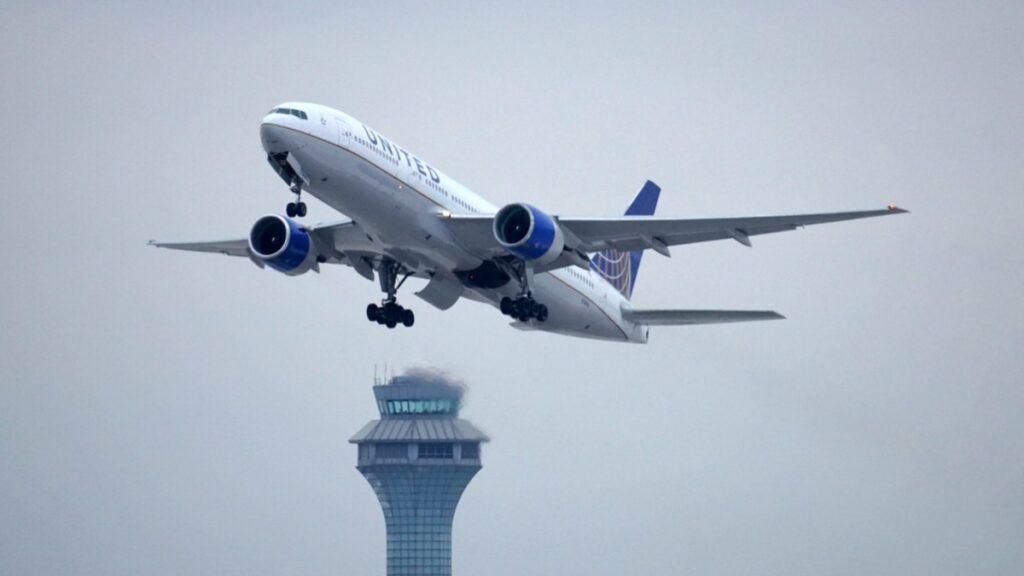
United Airlines has pushed back the debut of 10 planned routes from Chicago O’Hare after the FAA extended temporary flight caps at the airport into 2027. The routes — primarily regional connections intended to feed United’s domestic and international network — were folded into later schedule periods rather than launching in the near term as originally planned.
The FAA first imposed the caps to address chronic congestion and delay performance at O’Hare. The extension continues that approach, trading near-term capacity growth for improved operational reliability at one of the country’s most constrained major hubs.
United has not declared permanent cancellations on any of the 10 routes. Schedule data indicates the carrier has prioritized higher-demand, higher-yield flying in the limited slots available — transcontinental services and core domestic business markets — while deferring thinner regional routes that would add operational complexity without guaranteed returns. The practical effect is that further expansion at O’Hare is frozen, with new flying at the back of the queue.
For crew based at or operating through O’Hare, the cap functions much like a slot regime. The ceiling constrains what United can add at peak times, which shapes scheduling, staffing levels, and ultimately the scope of flying available out of the hub. As long as the caps remain, incremental adjustments — not broad expansions — define the Chicago operation.





The delayed routes would have served smaller and midsize markets that use Chicago as their primary connecting point. Those communities retain existing service on United or other carriers but will not see the new nonstop options or added frequencies United had planned. Regional business and tourism groups that had been counting on the new O’Hare links now face a timeline that has shifted from near-term expectation to a longer-term prospect.
The postponement reflects pressures beyond the FAA cap alone. Higher fuel costs and ongoing labor and infrastructure expenses have already led carriers across the industry to scrutinize marginal flying. Delaying lower-margin regional routes from a slot-constrained hub is consistent with how other U.S. carriers have managed similar situations — deferring or re-timing new service rather than abandoning markets outright.
O’Hare’s operational strain has built over several years, driven by weather disruptions, long taxi times, and gate bottlenecks that cascade into system-wide delays. Runway upgrades and terminal projects are ongoing, but the underlying infrastructure remains finite. The FAA’s decision to extend caps reflects a judgment that the airport cannot reliably absorb additional peak-hour flying under current conditions.
United’s main competitor at O’Hare faces the same ceiling. Analysts expect both carriers to continue fine-tuning schedules in response, producing a pattern of staggered route rollouts from Chicago rather than rapid network expansion for as long as the caps hold.