













































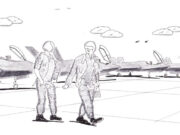

When I started air carrier training last fall, a consistent theme reappeared throughout our program: upon certification as Airline Transport Pilots, we would not be first officers but rather captains-in-training. My company expects us to not only learn the intricacies of flying a jet for the first time but also learn how to lead a crew and command a jet carrying 76 passengers.
This theme has reappeared countless times, in one way or another, over six months flying the line. My captains have regularly shared their techniques with me and have encouraged me to choose those that resonate most effectively with me. Indeed, I have had wonderful opportunities to grow into my new role and become comfortable with the airplane.
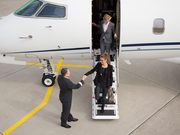
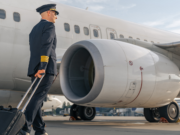
With that, my increasing level of comfort provides greater ability to lead outside of the flight deck, as well. Professional pilots, and flight attendants for that matter, are acutely aware of how much attention we attract while we’re in uniform. It is normal for people to come up, say hello, and ask questions not only at the airport but also at hotels and even on my commute to and from O’Hare on Chicago’s public transportation system.
While physical appearance, personal hygiene, uniform cleanliness, and tidiness are all critical parts of professionalism in this job. Equally, demonstrating leadership is essential to the interactions I have with passengers and enthusiasts who come up to say hello. Answering questions and resolving complaints with grace and patience go a long way to ensure that passengers are comfortable but also demonstrate our confidence and competence. I have found that my demeanor has a direct impact on the attitudes of those around me — how confident fellow crewmembers are and how calm and comfortable passengers are even in difficult scenarios.





The importance of this leadership is not exclusive to airline jobs. As a flight instructor, I had a wonderful opportunity to set the tone for my students. I demonstrated what it meant to be a good pilot — how to make effective decisions, how to act professionally, and how to maintain poise and composure even in the trickiest situations.
This is especially important considering the leadership role that even recreational pilots have in our industry. When ATC audio clips from an accident or incident appear on YouTube, many viewers don’t take time to consider the pilots’ experience and hold them to the appropriate standard. When friends, family members, or even EAA’s Young Eagles and Angel Flight passengers fly with private pilots, they form impressions of the entire industry and its members.
I’ve often heard just how much passengers look up to pilots. Indeed, I am aware of that every time I put on my uniform, I have an amazing opportunity to ease travelers’ worries and display confidence at each stage of the process. As I grow more confident in my new role as an airline pilot, it becomes easier to devote attention to representing my profession well and embodying the traits and characteristics of the ideal pilot.
Of course, leadership does not always come easily. I confess to times throughout my career when I have failed to live up to the standard I hold for myself. I know there will be times when I’ll recognize an opportunity to do better. These are the moments to bolster my leadership. Taking time to reflect on these moments is a part of leadership; learning from each situation, both in acknowledging what I did well and what I could have improved, is critical to ensuring continued growth into the future.
Though learning effective leadership takes time, it is a rewarding process. I find that leading helps me share my love for aviation with others, which makes each flight a more enjoyable experience for other crewmembers, passengers, students, and friends. I look forward to continuing my journey as a captain-in-training as I continue my career as a professional pilot and flight instructor.