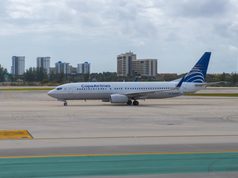











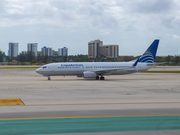

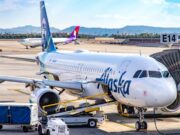
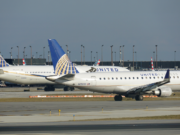




































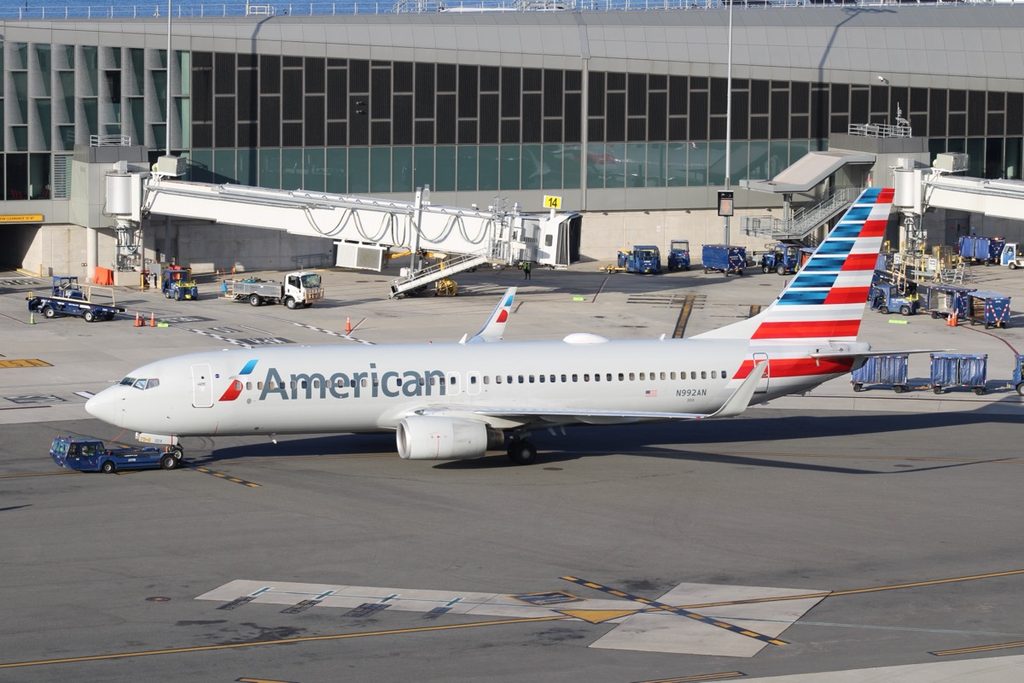
An American Airlines Boeing 737-800 rejected takeoff at LaGuardia Airport Thursday morning after the crew suspected a bird strike during the takeoff roll. The aircraft was traveling at approximately 140 mph when the decision was made. After returning to the terminal, no evidence of a bird strike was found.
The FAA issued a brief ground stop following the incident as a precautionary measure. Operations at LGA resumed after it was confirmed to be a false alarm.
Flight 392, operating on tail number N942AN, eventually departed for Chicago O’Hare and arrived without further incident — but only after maintenance technicians completed a thorough inspection of the aircraft.
For crews and technicians, a suspected bird strike after an aborted takeoff triggers a defined inspection sequence. Fan blade leading and trailing edges are checked for deformation. If anything is inconclusive, a borescope goes into the engine core to examine compressor blades and the combustion chamber. Landing gear, hydraulic lines, tires, and brakes all get scrutiny as well — particularly relevant here, given the speed at which the aircraft was stopped. Thermal imaging guns are used to assess brake assembly temperatures, and thermal fuse plugs are checked to confirm they haven’t lost integrity.




The speed of the rejection itself is worth noting. Stopping a fully loaded 737-800 — which can gross up to 174,000 pounds — from 140 mph carries its own risks. Standard training holds that once past V1, crews should continue the takeoff unless faced with a severe emergency such as an engine fire. A suspected bird strike in the terminal area, however, presents a serious enough hazard that remaining on the ground can be the right call, depending on what the crew is seeing and hearing.
The source article draws a direct comparison to American Airlines flight 1760, which departed Myrtle Beach Airport in August. That 737-800 struck a flock of birds immediately after rotation on Runway 18. The left engine caught fire, and the crew declared a Mayday. Flying single-engine, they executed a loop over the coast and landed back at Myrtle Beach 36 minutes after departure. Emergency equipment was positioned as a precaution, but the aircraft taxied to the gate under its own power with no injuries reported.
The two incidents, occurring within weeks of each other on the same aircraft type, illustrate why the bird strike decision tree on the flight deck carries weight in both directions — and why maintenance inspection protocols after a suspected strike are thorough regardless of whether damage is ultimately found.