






















































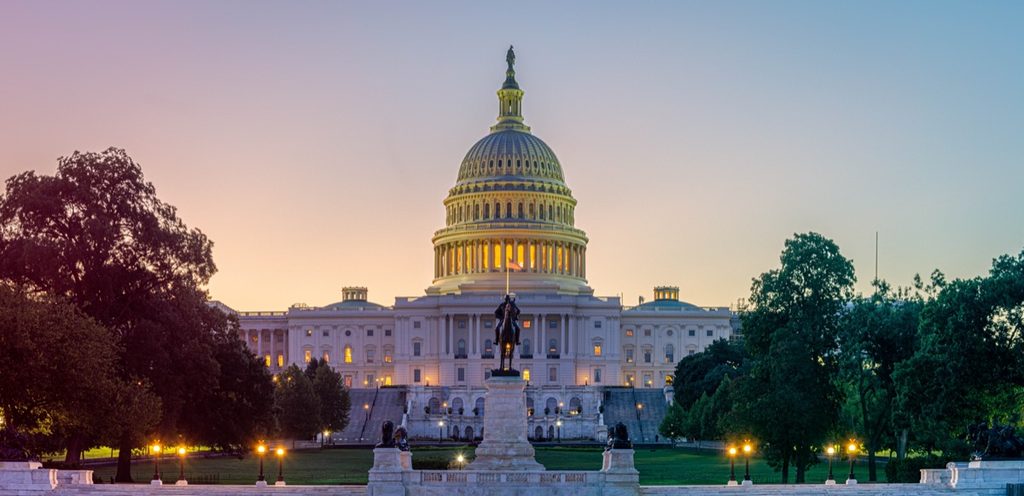
September (Washington, D.C.) — Long-needed reform is finally within reach for pilots and air traffic controllers after the U.S Senate passed the John A. Hauser Mental Health in Aviation Act (MHAA) and Aviation Medication Transparency Act (AMTA).
The newly renamed John A. Hauser Mental Health in Aviation Act aims to redress longstanding stigmas surrounding mental health among aviators via increased funding for aeromedical examiners and mental health training, implementation of policy recommendations stemming from an FAA mental health summit more than two years ago, and a public information campaign to raise awareness of the policy and cultural shifts in the FAA’s handling of mental health.
John A. Hauser was a student at the University of North Dakota who, in 2021, took his own life while in training to become a pilot. In a letter to his family, John made a final plea: change the aeromedical system so pilots don’t have to suffer in silence.
The Aviation Medication Transparency Act seeks simply to provide aviators and their medical providers with much-needed clarity as to which medications can be taken and which cannot. Currently, there is no comprehensive list of which medications are acceptable for doctors to prescribe and which would incur a lengthy and exorbitant review process for aviators. The AMTA would begin to change that.




“The John A. Hauser Mental Health in Aviation Act and Aviation Medication Transparency Act are landmark pieces of legislation that will begin to shift an archaic and regressive system surrounding mental health in aviation,” PMHC Executive Director Chris Finlayson said.
“PMHC and its advocates across the country have worked tirelessly with Senators John Hoeven (R-ND) and Tammy Duckworth (D-IL) to emphasize the importance of this oft-overlooked issue. The Pilot Mental Health Campaign extends its deepest gratitude to Senators Hoeven and Duckworth for their leadership on this legislation, as well as the more than 30 Senators who have co-sponsored one or both bills.
The legislation is endorsed by the Pilot Mental Health Campaign (PMHC), Air Line Pilots Association (ALPA), Airlines for America, the National Air Traffic Controllers Association (NATCA), National Flight Training Alliance, the National Business Aviation Association (NBAA), the NetJets Association of Shared Aircraft Pilots (NJASAP), the Southwest Airlines Pilots Association (SWAPA), the Regional Airline Association (RAA), the Allied Pilots Association (APA), and the Association of Air Medical Services (AAMS).