










































United Airlines CEO Scott Kirby is making the case that passengers who want to skip the middle seat should pay a premium for the privilege — a position that reflects how the carrier is repositioning its cabin products and pricing structure.
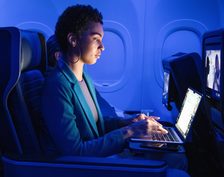
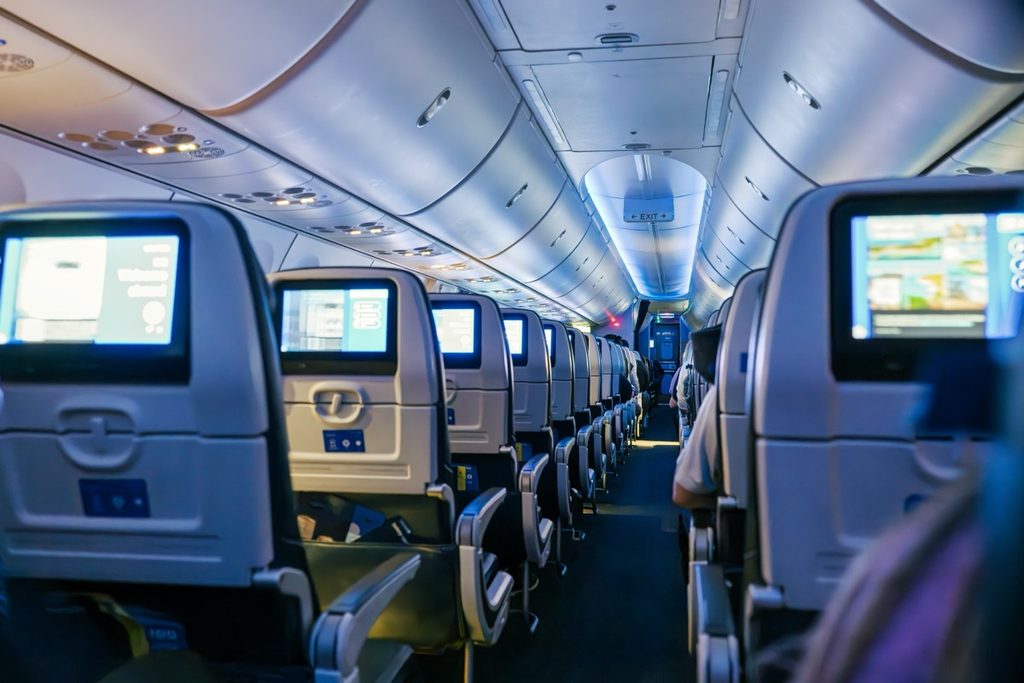
The argument coincides with a new United economy offering built around a deliberately vacant middle seat. The product covers the empty seat from armrest to armrest with a table and cupholders, giving aisle and window seat passengers shared use of the surface.
The logic Kirby is advancing inverts how many travelers have thought about seat selection fees. Rather than framing window and aisle seats as upgrades passengers pay for, the pitch is that the middle seat is the baseline and opting out of it carries a cost. For crew, the cabin configuration has practical implications — a fixed table structure in the middle position changes how the row functions for service, emergency egress briefings, and passenger boarding dynamics.
The new economy seat product arrives as United is also raising checked bag fees by $10, its first such increase in two years, and reporting that fares are climbing alongside higher jet fuel costs. Executives at United, American, and Southwest have all cited fuel prices as a margin squeeze, though Kirby has noted that brand-loyal travelers are continuing to book despite higher prices.