











































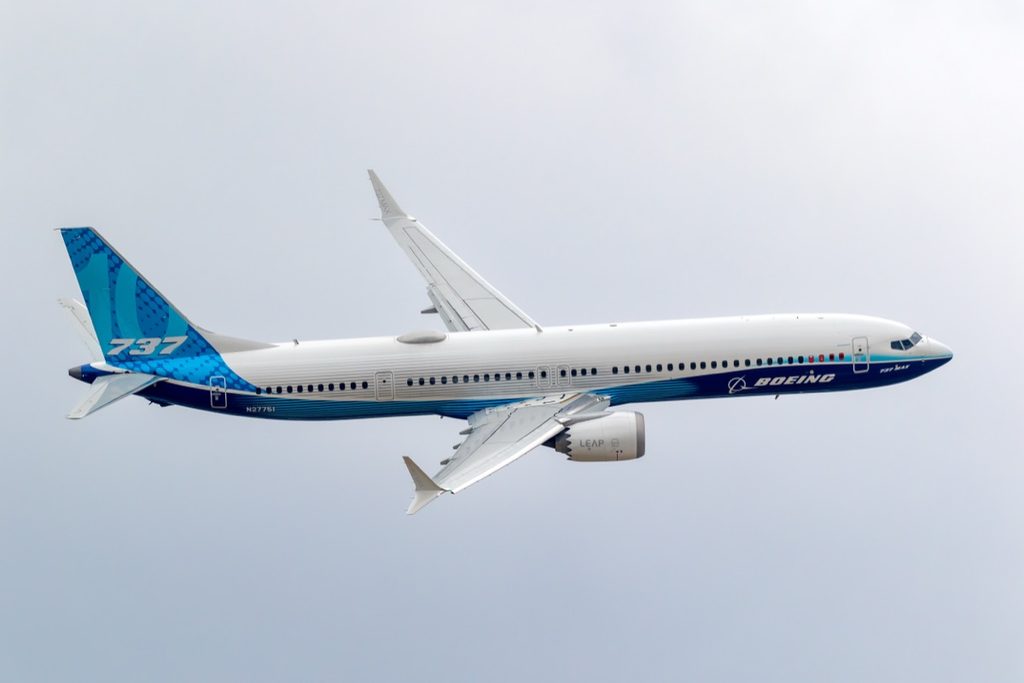
The FAA has certificated the Boeing 737 MAX 10, the largest variant in the MAX family and the first commercial aircraft certified under the 2020 Aircraft Certification, Safety, and Accountability Act (ACSAA). Boeing announced the certification last week after several years of delays.
The MAX 10 seats between 185 and 230 passengers in a two-class configuration and has a maximum range of 3,566 miles — 420 miles more than comparable single-aisle competitors without auxiliary fuel tanks, according to Boeing. The company projects it will carry the lowest per-seat cost of any single-aisle aircraft currently in service.
Certification followed roughly 1,000 flight tests totaling more than 2,000 flight hours, plus an additional 1,000 hours of ground testing.
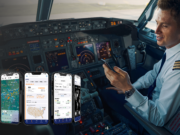
The central engineering story is what Boeing did with the angle-of-attack system. The Lion Air 610 and Ethiopian 302 crashes — which killed 346 people in 2018 and 2019 — were caused by a faulty AOA sensor feeding erroneous data to the Maneuvering Characteristics Augmentation System. MCAS repeatedly commanded nose-down pitch that crews could not override. On the MAX 10, Boeing has added five monitoring systems that track AOA sensor behavior at takeoff, after takeoff, and following a bird strike. If a sensor error is detected, the system isolates it before it can propagate downstream. Crews receive an AOA Fail alert on primary displays identifying which sensor has failed, eliminating the need to work through a lengthy checklist to diagnose the problem.




A new physical switch also allows pilots to disable the stick shaker independently. In both fatal accidents, the faulty AOA data activated the stick shaker, adding stall warnings on top of the MCAS upset and complicating crew response. The switch gives pilots a direct means to silence a spurious activation.
For crews flying current MAX variants, Boeing says the AOA upgrades and other modifications will be retrofitted across the in-service fleet. The company has not specified how many aircraft are involved or when the retrofit program begins. All new-production MAX aircraft going forward will incorporate the changes from the factory.
The commercial backlog reflects sustained airline demand despite the type’s history. Boeing reports 1,555 unfilled orders for the MAX 10 alone — roughly 30 percent of the total MAX order book, which stands at 7,350 aircraft.
Base pricing for the 737 MAX starts at approximately $100 million, with final costs running as much as 30 percent higher depending on configuration.