






















































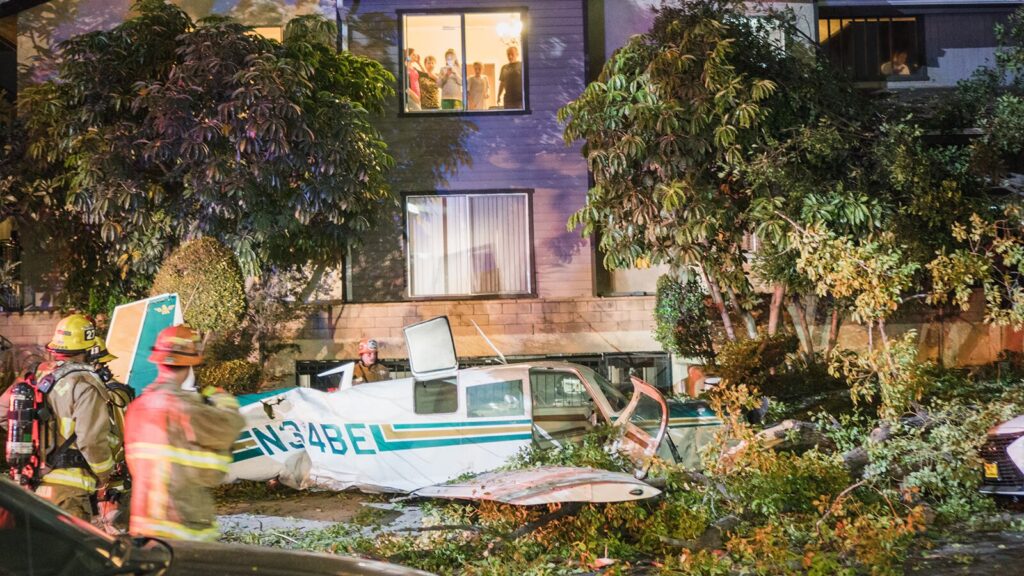
Aviation accidents are rare, but when they occur, their consequences are immediate and often devastating. California, with its bustling metropolitan airports, scenic coastlines, and rugged mountain ranges, is home to a vast and diverse aviation landscape. From commercial jets ferrying passengers across the state to private planes and helicopters navigating complex airspace, the skies above California are busy. Yet even with strict regulations and advanced safety measures, accidents happen—and they raise urgent questions: How could this have happened? What are my rights? Who is responsible?
This guide answers those questions in depth, providing survivors, families, and concerned parties with a complete understanding of the legal, technical, and practical aspects of aviation accidents in California. Each section addresses key questions with detailed explanations, historical examples, and guidance for next steps.
How Common Are Aviation Accidents in California?
California is consistently among the top-five U.S. states for total flight hours, reflecting the volume of both commercial and general aviation activity. According to the Federal Aviation Administration (FAA), there are over 240 public-use airports in the state, not including thousands of private landing strips, heliports, and airfields used for flight training or agricultural operations.
Despite this high volume, aviation accidents remain statistically rare. The NTSB reports that in the United States, general aviation accidents account for roughly 90% of all aviation-related incidents, while commercial airline accidents occur far less frequently. Still, the consequences of any accident are magnified in California due to population density and geographic diversity. For instance:





- Urban environments: Los Angeles International Airport (LAX) and San Francisco International Airport (SFO) handle hundreds of flights daily, increasing traffic complexity.
- Mountainous regions: The Sierra Nevada and the coastal ranges can create challenging flying conditions, including sudden wind gusts and visibility issues.
- Coastal weather patterns: Dense fog along the coast, particularly in the San Francisco Bay Area, can disorient pilots.
Even with robust safety protocols, pilots, passengers, and ground crews must navigate these variables. For victims, understanding the rare but serious nature of these accidents is the first step in evaluating potential legal action.
What Types of Aviation Accidents Occur in California?
Aviation accidents vary by aircraft type, purpose, and operational context. Some of the main categories include:
Commercial Airline Accidents: These are rare but high-profile. Even minor incidents—like an aborted takeoff or mechanical malfunction—can cause injuries. While commercial airlines maintain strict safety standards, California’s busy airspace and occasional extreme weather can contribute to incidents that may require legal and insurance interventions.
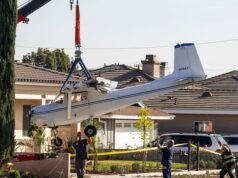
Private Jets and Small Aircraft: General aviation is more prone to accidents due to variability in pilot experience, aircraft maintenance, and environmental conditions. These include private charters, recreational flights, and flight training operations. Small planes are often used in remote areas where emergency response can be delayed, exacerbating injury outcomes.
Helicopter Crashes: California sees extensive helicopter operations, including tourism flights over Hollywood or the coastline, emergency medical services, and aerial reporting. Helicopters are particularly vulnerable due to their mechanical complexity and the environments in which they operate.
Case Example: The 2020 Calabasas helicopter crash that killed Kobe Bryant and eight others underscores the risks inherent even in routine flights. Investigations revealed contributing factors like spatial disorientation and weather conditions, demonstrating the multifactorial nature of aviation accidents.
Understanding the type of aircraft and context of the flight is critical for determining potential liability and guiding victims toward appropriate legal remedies.
What Are the Most Common Causes of Aviation Accidents?
Aviation accidents rarely have a single cause. Instead, they often result from the interplay of human, mechanical, and environmental factors.
Pilot Error: Human error is the leading cause of aviation accidents, contributing to approximately 70% of incidents. Common errors include misjudging altitude, fatigue-related lapses, poor decision-making in adverse weather, or failure to follow established protocols. California’s dense airspace adds further complexity, especially around major airports and in congested flight corridors.
Mechanical Failures: Engine malfunctions, faulty avionics, or deferred maintenance can lead to catastrophic results. Investigations often reveal issues like improperly installed components, overlooked inspection items, or manufacturing defects. In some cases, seemingly minor faults—like a loose bolt or worn control cable—can have severe consequences.
Weather Conditions: Coastal fog, wind shear, and sudden storms are significant contributors. Pilots must make real-time decisions that weigh safety against operational demands. Helicopter operations are particularly sensitive to poor visibility and unpredictable wind currents in California’s varied terrain.
Air Traffic Control Errors: Although rare, miscommunications or delayed instructions from air traffic controllers can contribute to accidents. Coordinating complex flight paths, especially near multiple major airports, sometimes leads to errors that have legal implications.
Product or Design Defects: Aircraft manufacturers can be held liable for design flaws, manufacturing defects, or faulty components. This is particularly relevant when accidents involve new technologies or experimental aircraft.
Real-world examples, such as the Calabasas helicopter crash, show that these factors rarely occur in isolation. Each accident is a unique combination of technical, human, and environmental influences that must be meticulously investigated.
Who Can Be Held Liable After an Aviation Accident?
Determining liability after an aviation accident can be complex because multiple parties may share responsibility:
- Pilots and Operators: Responsible for safe operation and adherence to regulations.
- Aircraft Manufacturers: Liable for defects in design or production.
- Maintenance Providers: Can be accountable if inspections, repairs, or replacements were negligent.
- Government Agencies: FAA or air traffic control errors may occasionally be implicated, though federal preemption often limits claims against the government.
California’s comparative fault laws mean that if more than one party contributed to the accident, compensation is distributed proportionally based on the degree of fault. For victims, identifying all potential responsible parties early is crucial to protect legal claims.
What Legal Rights Do Victims Have in California?
Victims and families have multiple legal avenues for compensation:
Economic Damages: These cover tangible losses, including medical bills, rehabilitation costs, lost wages, and long-term care expenses.
Non-Economic Damages: Emotional distress, pain, suffering, and reduced quality of life are considered in civil claims.
Wrongful Death Claims: Families can seek damages for financial and emotional loss caused by a loved one’s death.
Survival Actions: Estates may pursue claims for damages the deceased would have sought if they had lived.
Every case is highly fact-specific. Evidence such as medical records, maintenance logs, pilot training documentation, and expert analyses is essential to substantiate claims. Failure to gather this evidence early can compromise legal recovery.
How Does the Investigation Process Work?
The National Transportation Safety Board (NTSB) usually leads investigations, assisted by the FAA and manufacturers. Key steps include:
- Evidence Collection: Flight data recorders, cockpit voice recorders, and wreckage analysis provide objective information.
- Witness Interviews: Crew, passengers, first responders, and bystanders are interviewed to reconstruct the sequence of events.
- Maintenance and Operational Review: Logs, repair records, and adherence to operational standards are analyzed.
- Expert Consultation: Engineers, pilots, and aviation specialists help reconstruct accidents and interpret technical evidence.
Victims often consult attorneys immediately to preserve evidence, protect their claims, and coordinate with investigators while respecting federal rules that protect NTSB neutrality.
Why Is Specialized Legal Counsel Important in Aviation Cases?
Aviation law requires expertise in multiple areas: federal regulations, mechanical and operational issues, insurance policies, and civil litigation. Experienced attorneys:
- Navigate complex federal and state law intersections.
- Identify all responsible parties.
- Coordinate with technical experts to interpret flight data.
- Negotiate settlements or litigate high-stakes claims efficiently.
Without specialized counsel, victims risk undervaluation of claims or missed opportunities for legal recovery.
Victims seeking guidance can consult Kash Legal Group for expert advice on California aviation accidents.
What Should Victims Do Immediately After an Aviation Accident?
Immediate action can protect both personal safety and legal rights:
- Seek Medical Attention: Document injuries and follow prescribed treatment.
- Preserve Evidence: Take photos, retain correspondence, and keep tickets or boarding passes.
- Avoid Premature Settlements: Insurance adjusters may offer quick settlements that undervalue claims.
- Consult a Lawyer: Early legal advice ensures that deadlines, notices, and procedural requirements are met.
- Follow Official Updates: Rely on NTSB and FAA reports, not social media speculation.
How Do Insurance and Compensation Work?
Insurance in aviation cases is often layered and complex:
- Operator or Airline Policies: Cover passengers, crew, and liability.
- Manufacturer Insurance: Covers defects and product liability.
- Personal Insurance: Travel or health insurance may supplement claims.
California’s comparative fault system means that compensation can be reduced if victims share responsibility. Structured settlements and lifetime compensation plans are common in catastrophic injury cases.
What Lessons Can We Learn From Past Aviation Accidents in California?
Historical accidents offer insight into risk patterns:
- Calabasas Helicopter Crash (2020): Highlighted maintenance oversight, pilot spatial disorientation, and weather risks.
- Private Plane Incidents: Often illustrate pilot error, insufficient maintenance, or operational lapses.
- Airline Safety Incidents: Even minor events have prompted enhanced training and regulatory improvements.
Legal actions following accidents frequently drive safety reforms, illustrating the broader societal value of pursuing claims.
How Can Victims Recover Emotionally and Psychologically?
Psychological trauma is a major component of aviation accidents:
- Post-traumatic stress disorder (PTSD)
- Anxiety and depression
- Survivor’s guilt
California offers resources such as the Office of Victim and Survivor Rights and Services and nonprofit counseling groups. Documenting emotional trauma is also important for legal claims, as courts recognize these damages in settlements.
What Are Emerging Safety Trends in Aviation?
Technological advances are reshaping aviation safety:
- Predictive Maintenance: Sensors and AI anticipate failures before they happen.
- Automation and Autonomous Systems: Reduce human error but raise new liability questions.
- Drone Integration: Adds complexity to airspace management and new potential risks.
These innovations require ongoing adaptation in law, regulation, and safety practices, emphasizing the need for informed legal counsel.
Why Does Accountability Matter in Aviation Law?
Legal accountability ensures airlines, manufacturers, and regulators maintain high safety standards. Each lawsuit or settlement sends a signal: negligence has consequences, and safety matters. Families pursuing justice not only receive compensation—they contribute to systemic reforms that protect future passengers.
Families seeking guidance can consult Kash Legal Group for aviation accident legal support.
What Should Victims Know About Their Legal Rights?
Aviation accidents are rare but have profound consequences. Understanding the legal landscape, acting quickly, and securing specialized counsel are crucial steps toward recovery. With proper guidance, victims and families can navigate complex investigations, protect their claims, and achieve compensation while contributing to safer skies for all Californians.
Kash Legal Group main office: 2839 S Robertson Blvd, Los Angeles, CA 90034
Phone number: (888) 527-4128
Aviation Accidents: KashLegal.com
Client Reviews & Reputation
“Always approachable and friendly—they treated me like a person, not just a client.” –Delilah T, Los Angeles
“Los Angeles office was professional, friendly, and super supportive.” –Grace B, San Diego
“After a serious slip and fall at a local Murrieta grocery store … They were tenacious in proving the store’s negligence and secured a settlement that far exceeded my initial expectations.” –Sage P, San Jose
“My family was devastated after a loved one’s tragic death. The compassion and professionalism of the wrongful death lawyers at Kash Legal Group were incredible.” – Sarah T, Sacramento“Kash Legal not only assisted me with everything I needed but won my car accident case. Will definitely recommend to others.” – Frank, K, Bakersfield

Call: (866) 935-3421
Email: [email protected]
Jonathan M. Kashani is the founder and driving force behind Kash Legal Group, where our motto is simple yet powerful: Kash Wins! Guided by the firm’s core values of Grit, Hard Work, Loyalty, Customer Service, and Winning, Jonathan has built a reputation for relentless advocacy and personalized client care. He believes that every client deserves not only exceptional legal representation, but also the unwavering dedication of a team that fights as if the outcome is personal—because it is.
With a sharp legal mind and an unshakable commitment to justice, Jonathan focuses on personal injury law, helping accident victims recover the compensation they deserve. His mission is to level the playing field against insurance companies, ensuring that each client’s voice is heard and rights are protected.
Jonathan pursued his undergraduate degree in Biological Sciences from the University of California, Los Angeles (UCLA) and his Juris Doctorate with Honors from the University of West Los Angeles School of Law. This strong academic foundation, paired with years of hands-on litigation experience, allows him to craft innovative legal strategies that get results.
Beyond the courtroom, Jonathan is a proud father of three amazing children and an active member of his community. He coaches youth basketball, inspiring young athletes with lessons in teamwork, perseverance, and discipline—values that mirror his legal practice. A passionate music lover, his playlists often feature Bob Dylan, Led Zeppelin, Prince, and Tom Petty. When he’s not advocating for clients, you can find him beach bumming, experimenting in the kitchen, or enjoying quality family time.
For Jonathan, law is more than a profession—it’s a calling. Every case is a chance to change someone’s life for the better, and every client is treated like family. At Kash Legal, we don’t just represent you—we fight for you. And we fight to win.
Education
– University of California, Los Angeles
– Juris Doctorate, University of West Los Angeles, School of Law
Awards & Associations
– State Bar Of California
– AV Preeminent Rated
Martindale-Hubbell
2022
– Client Champion Award
Martindale-Hubbell
2022
– Consumer Attorneys Association Of Los Angeles
2010 – Present
– Expertise: Best Car Accident Lawyers In Los Angeles
2024
Case Results & Settlements
- $2,000,000 Wrongful Death
- $1,250,000 Auto vs. Auto
- $790,000 Commercial Van vs. Auto
- $500,000 Bus Passenger Accident
- $250,000 Auto vs. Auto
Areas Of Expertise
Attorney Endorsements
“I have worked with John on several matters and also referred him cases. He knows about Injuries and focuses on results. I endorse this lawyer.” – Litigation Attorney Nate Kelly
Main Office:
Office Locations:
- Los Angeles (Beverly Hills): 2839 S. Robertson Blvd. Los Angeles CA 90034
- San Diego: 8775 Aero Dr Suite 138, San Diego, CA 92123 | (619) 650-5845
- Chula Vista: 750 Otay Lakes Rd, Chula Vista, CA 91910 | (619) 378-9288
- Reseda: 18355 Sherman Way, Reseda, CA 91335 | (747) 298-5611
- Murrieta: 25185 Madison Ave, Murrieta, CA 92562 | (951) 651-0774
- Temecula: 27555 Ynez Rd, Temecula, CA 92591 | (951) 484-1550
- Victorville: 14393 Park Ave, Victorville, CA 92392 | (760) 454-1654
- Hesperia: 17096 Sequoia St., Hesperia CA 92345 | (760) 919-4264
- Bakersfield: 2020 Eye St, Bakersfield, CA 93301 | (661) 460-2500
- Palm Desert: 74333 CA-111, Suite 205, Palm Desert, CA 92260 | (760) 529-8181
- Fresno: 4270 N Blackstone Ave Suite 201, Fresno, CA 93726 | (559) 551-2688
- Sacramento: 3626 Fair Oaks Blvd, Sacramento, CA 95864 | (916) 892-1263
- Roseville: 2999 Douglas Blvd Suite #180H, Roseville, CA 95661 | (916) 252-1165
- Oakland: 1300 Clay St, Oakland, CA 94612 | (510) 800-8293
- Pleasant Hill: 3478 Buskirk Ave suite 1054, Pleasant Hill, CA 94523 | (925) 940-9840
- Vacaville: 201 E Monte Vista Ave, Vacaville, CA 95688 | (707) 883-1555
- Fairfield: 1545 N Texas St, Fairfield, CA 94533 | (707) 881-9205
- San Jose: 111 North Market Street, Suite 300, San Jose, CA 95113
- Cupertino: 10080 N Wolfe Rd, Cupertino, CA 95014 | (818) 383-7478
- San Mateo: 1900 S Norfolk St #388, San Mateo, CA 94403 | (650) 629-1595