








































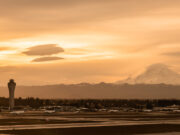





Pilots are tasked with the decision-making process in the face of a significant weather threat. Let me share a story and reflection on the key decisions and lessons learned. A few weeks ago, we were within minutes of landing at an airport in Florida when our radar display confirmed our visual observation of a towering cumulus thunderstorm in its mature phase, five miles from the approach end. After a brief conversation and fuel calculations, we informed ATC of our intentions and requested holding to wait-out this typical, “garden-variety” summertime thunderstorm. Moments later, we learned the aircraft in front of ours (another narrow body jet) continued its approach. Approach Control handed off the aircraft to Tower Control and we soon received a PIREP confirming heavy to extreme rain with gains/losses of 15 kts. of airspeed along the final approach course. Needless to say, we were happy with our decision and a regional jet behind us followed our lead and entered a holding pattern 1000 ft. above us.
Thankfully, our dispatcher had analyzed the weather and added an alternate airport 21 minutes from our destination. The dispatcher also gave us 30 minutes of holding fuel for thunderstorms and 20 minutes of contingency fuel for possible ATC re-routes in addition to our required 45 minutes of reserve fuel. During holding, CRM continued, and we communicated with our dispatcher. After approximately 20 minutes of holding, weather improved at our destination airport and the weaker radar returns were indicative of a dissipating thunderstorm cell. When the weather situation improved, we requested an approach, experienced light rain with no significant gains/losses of airspeed along the final approach course and landed safely with little difficulty. However, we had briefed and were prepared to handle potential thunderstorm related threats with an emphasis on windshear. Recall the well-studied Delta Flight 191 accident experienced a microburst event after flying through an intense thunderstorm system in its mature-dissipating stages during approach to landing.
There were many tipping points during this flight and decisions made even before we left the ground paved way for a safe and successful outcome. Let us reflect on some of these decisions:
- Proactive Planning: Safety starts long before takeoff. Pre-flight planning with an emphasis on fuel planning in this story was the first and arguably the most critical decision made even before the flight began. This additional holding and contingency fuel quite literally enabled us “to weather the storm.” The dispatcher's foresight to add extra fuel went beyond satisfying a regulatory requirement. The decision-making process was about anticipating a known threat (i.e., summertime thunderstorms in Florida) and proactively mitigating it. This single decision provided the pilots with the flexibility, reduced stress, and created time needed to make safe choices during the decent and approach phases of the flight.
- Initial Assessment and Decision to Hold: A “go/no-go” decision was made after a visual check and radar confirming a mature thunderstorm. Instead of pressing on like the aircraft in front of us, we chose to hold and demonstrated a strong commitment to safety. We identified the threat and chose a conservative/low-risk course of action.
- Learning from Others' Mistakes: The aircraft ahead of us continued to fly through the thunderstorm and landed. Receiving a PIREP from the landing aircraft validated our decision to hold. This also highlights the value of real-time information sharing within the National Airspace System.
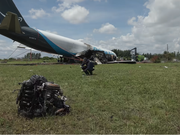
- Safety Over Schedule: This is the core theme of most professional flight operations. The decision to hold undoubtedly added time and caused a delay. While such delays are expensive, flight safety is paramount. Safety was placed above all else and we, the pilots, did not give-in to numerous hazardous attitudes including “get-there-itis”, which was a contributing factor alongside thunderstorms in the crash of American Airlines Flight 1420 in Little Rock, Ark.
- Communication with ATC and Dispatch: By communicating our intentions to ATC and our dispatcher, we enabled additional resources to share information and solve a problem. Communication between pilots, ATC, and dispatch kept everyone in the loop and leveraged the full resources of the airline's operations to ensure a safe outcome.
- Preparing for Threats: Even while holding and waiting for conditions to improve, we continued to brief for potential threats, specifically windshear. This proactive mindset ensured that we were prepared to handle the very real risks associated with even a dissipating thunderstorm (recall the Delta Flight 191 accident).
In summary, we strive to do better as professionals. Even with an “almost perfect” flight, we can reflect and be critical of our decisions during a post-flight debrief. While the decision taken during this flight may not have been perfect, pilots, ATC and our dispatcher working together showcased a strong safety culture. We successfully navigated a common but dangerous weather threat and illustrated that safe flying is not about avoiding problems, but about having the foresight, training, resources, and discipline to handle them effectively.