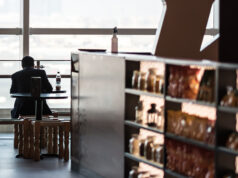











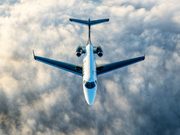

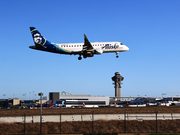



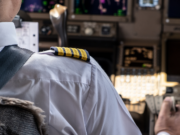
































As a young pilot, you quickly learn the incandescent draw of alcohol in aviation culture. When I first visited Air Guard units, I was stunned to see a bar on site next to the flight line. It felt a little James Bond: you just flew a miracle of engineering—why not bask in your suave pilot awesomeness with a frosty beer?
Over time I realized those images in our heads create our reality. I’m invincible. A couple of beers won’t touch my fitness. The uncomfortable truth is that alcohol is a neurotoxin—and your body treats it like one every single time.
Alcohol’s effects are sneaky because they touch almost every system. When you drink, your body prioritizes clearing ethanol before anything else; fat burning is suppressed for hours, and lipid oxidation drops substantially while alcohol is being metabolized. In controlled trials, ethanol ingestion decreased whole-body fat oxidation and favored fat storage—exactly the opposite of what most travelers want.¹
Sleep takes a hit, too. Alcohol might help you fall asleep faster, but it shatters deep sleep cycles and cuts down REM—the stage that repairs muscles, hormones, and alertness. Studies show even one drink before bed can reduce REM by up to 40%, which is catastrophic for recovery and reaction time.²




Layer alcohol on top of an already dehydrating work environment and the impact compounds. Typical cruise-altitude cabin humidity runs about 10–20%, and alcohol increases urine output by suppressing vasopressin—so you lose more fluid, thicken the blood, and feel worse the next day.³
On the hormone front, dose matters. Heavy or repeated intake is linked with lower testosterone and broader endocrine disruption; acute high doses have shown roughly 20% testosterone suppression within 24 hours in controlled studies.⁴ For a profession built on alertness, focus, and composure, that’s a big deal.
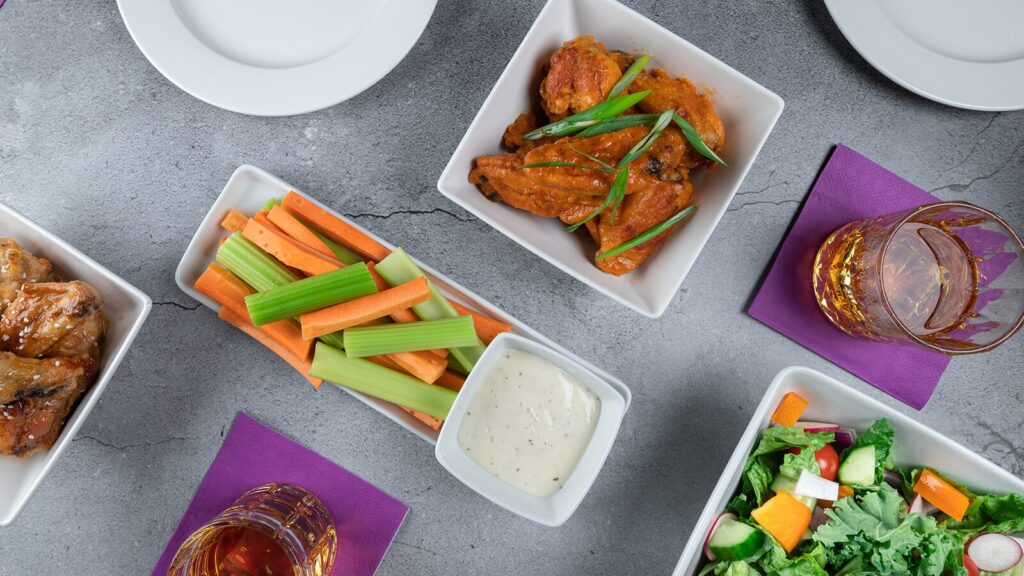
If you choose to drink, strategy helps. Think of your stomach like a sponge and alcohol like paint thinner. If the sponge is dry, the thinner soaks straight through—fast and harsh. But if the sponge is already damp with food, everything slows down, spreads out, and does less damage. Eating before you drink blunts the spike in blood alcohol and keeps your system steadier. Studies show any food helps, but protein—like tofu, eggs, or grilled chicken—works best because it digests slowly. For pilots and travelers, that extra time is like adding a protective layer on the inside of your stomach. It won’t stop the paint thinner completely, but it keeps it from eating straight through.⁵
The next morning, shift into recovery mode. Your liver is like your aircraft’s oil filter—it clears out contaminants so everything keeps running smoothly. Cruciferous vegetables such as broccoli, kale, and Brussels sprouts contain natural “cleaning agents” (compounds like sulforaphane and DIM) that help your liver enzymes flush out the leftover byproducts of alcohol. You’re basically running a self-cleaning cycle on your engine.⁶
Eat, hydrate, rest—those are the three steps that get your system back to baseline so you can fly through the next day feeling sharper and lighter instead of bogged down.
Here’s a simple plan for how to mitigate the negative effects of alcohol:
Two-for-Two: Cap it at two drinks and stop at least two hours before bed.
Hydrate hard: For every drink, add about a liter of water with electrolytes.
Protein before you pour: Eat first to temper absorption and curb cravings later.
Greens after: Help your liver detoxify with broccoli, kale, or Brussels sprouts.
Swap the ritual, not the reward: Mocktail, walk, or magnesium—find your recovery ritual.
Watch your data: HRV (heart rate variability) and sleep trackers don’t lie; let them show you what your body is saying.
None of this is about guilt. It’s about growth. When you understand what alcohol does—to fat oxidation, sleep, hydration, and hormones—you’re free to choose with eyes open. Sometimes that drink on the overnight will still be worth it; sometimes it won’t. Either way, you’ll feel empowered because you have the truth and a plan, not a story in your head.
References
- Siler SQ, Neese RA, Hellerstein MK. De novo lipogenesis, lipid kinetics, and whole-body lipid balance in humans after acute alcohol consumption. Am J Clin Nutr. 1999;70(5):928–936.
- Ebrahim IO et al. Alcohol and sleep I: effects on normal sleep. Alcohol Clin Exp Res. 2013;37(4):539–549.
- Fortney SM et al. Body fluid balance during flight: mechanisms and implications. Aviat Space Environ Med. 1998;69(6):562–568.
- Sierksma A et al. Moderate alcohol consumption and hormonal balance in men. Eur J Clin Nutr. 2004;58(8):1208–1214.
- Fraser AG, Rosalki SB. Gastric emptying and blood ethanol levels after food. Br Med J. 1978;1(6115):1008–1009.
- Egner PA et al. Broccoli sprout–derived sulforaphane modulates hepatic enzymes in humans. Proc Natl Acad Sci U S A. 2011;108(7):2448–2453.