





















































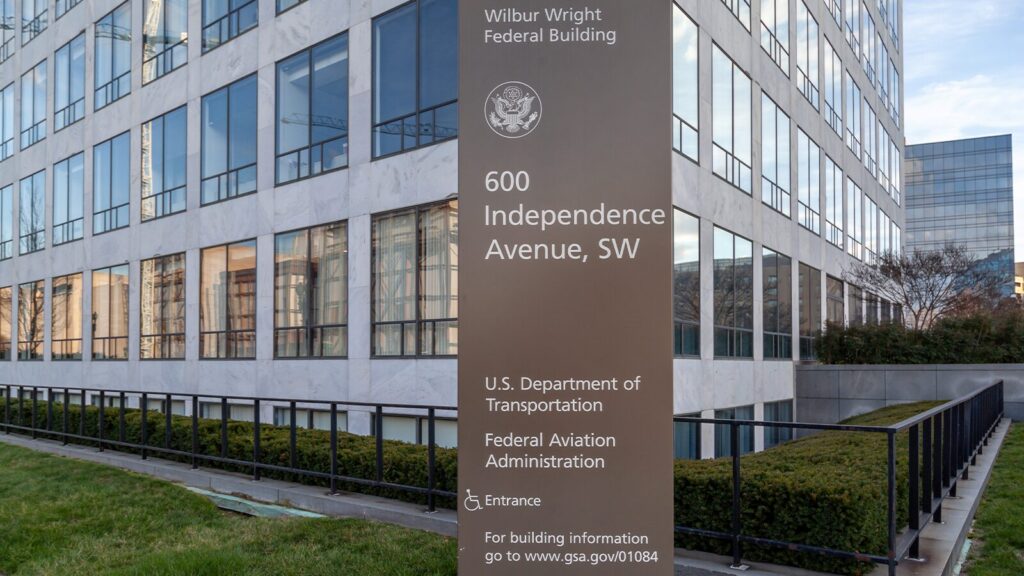
The Department of Transportation (DOT) and the Federal Aviation Administration (FAA) published a final rule in the Federal Register on September 3, 2025 that addresses the plethora of falsification regulations found throughout Title 14 of the Code of Federal Regulations (CFR). The Rule, which became effective on November 3, 2025, intends to “amend[], restructur[e], and consolidat[e] the falsification regulations presently located throughout Title 14 of the CFR.”
The new rule removes the falsification regulations throughout Title 14 and consolidates them into a single falsification regulation at Title 14 CFR chapter I subchapter A part 3 subpart D. The change is intended to standardize sanction provisions and provide consistent sanction determinations, hopefully increasing predictability for pilots, aircraft mechanics, and essentially all certificate holders in the aviation and commercial space industries as to whether sanctions will be levied due to falsification, reproduction, alteration, omission, or incorrect statements and what those sanctions will proscribe.
New Rule
The new rule essentially prohibits false statements, productions, reproductions, or alterations for fraudulent purposes, and knowing omissions of material fact in relevant documents related to any authorization, certification, etc. (referred to generally as “Authorizations”) or to show compliance with a relevant provision. This is certainly not news to anyone who has ever applied for an FAA airman medical certificate or signed off on maintenance work on an aircraft, but the consolidation of the regulations makes this requirement much more navigable than it was in the past; although it is still a burden, even for an attorney!
The more significant changes come in the sanctions associated with any of the listed offenses. The sanctions proscribed for any such offenses of falsification are now uniform, though not entirely predictable. Any such offense is a basis for either: (1) denying, suspending, modifying, revoking, rescinding, removing, or withdrawing any authorization, certificate, permit, etc. that was issued or granted by the Administrator, or (2) a civil penalty (read: “fine”). Ultimately, falsification of any document submitted to the FAA or DOT that was material to the FAA’s decision in issuing, granting, or affirming the validity of any Authorizations is grounds to revoke any or all Authorizations and may also result in a fine.





Significance
As mentioned, the changes made to the falsification rules are not drastic, as the new rule amounts to more of a “tidying up” by the FAA of one small part of the expansive and messy Federal Aviation Regulations. Even so, if you find yourself in a position where you may have falsified a document submitted to the FAA for just about any purpose, whether intentional or not, you should reach out to counsel for guidance.