











































Are your workout and fat-loss plan ruined? Short answer: NO!
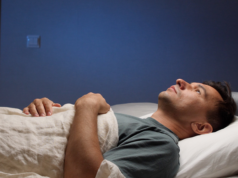
A red-eye doesn’t break your metabolism. But what you do over the next 24 hours determines whether you recover quickly or dig a deeper fatigue hole. This is not about motivation or discipline. It’s about physiology, damage control, and making decisions that keep fat loss moving forward instead of fighting your body.
After a red-eye, your body isn’t useless—but it is limited. Think of it like a preflight with a few open MELs. The aircraft is airworthy, but certain systems are deferred. You don’t cancel the flight. You operate within limitations while maintenance works the issue.
Your body after a red-eye works the same way. Sleep debt, circadian disruption, dehydration, and elevated cortisol are temporary “open MELs.” The mission isn’t to push harder and ignore them. The mission is to give maintenance the next 24 hours to clear the MELs without making the problem worse—while keeping the flight plan intact.




The five best things to do after a red-eye:
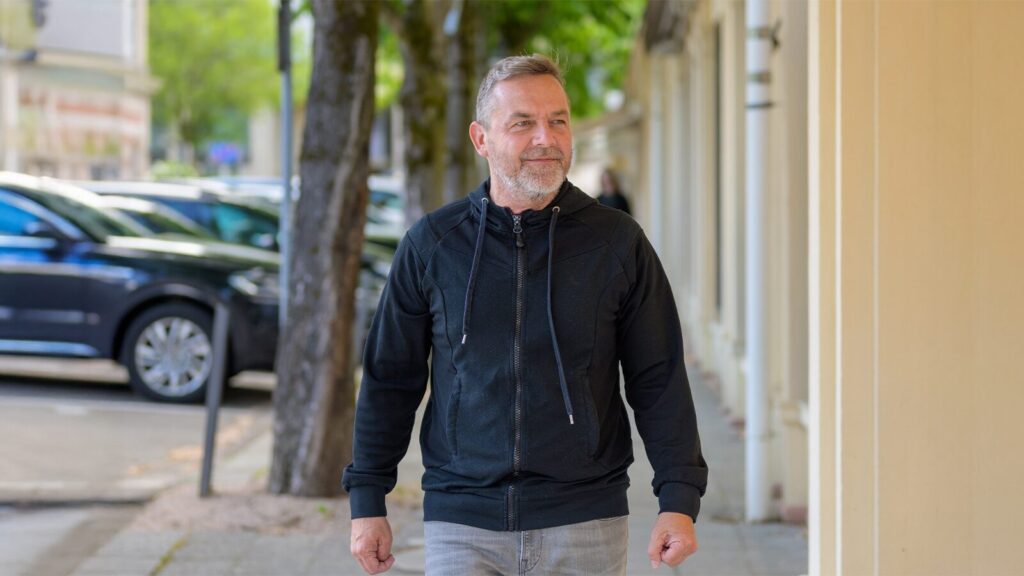
- Get outside within 60 minutes of waking
Natural light is one of the fastest ways to reset your circadian rhythm. It improves alertness during the day and helps you sleep better that night. Even 10–20 minutes outside makes a measurable difference. If possible, avoid sunglasses. - Walk first. Train later, if at all
Walking is the most underrated fat-loss tool after poor sleep. It burns fat without adding stress, improves blood sugar control, and helps circulation and recovery. Aim for 6,000 to 10,000 relaxed steps spread throughout the day. - Lift only if you pass the warm-up test
Before lifting, ask yourself:
- Do my joints feel better after warming up?
- Is my coordination normal?
- – Do I feel more awake after five to seven minutes of movement?
If yes, a short, low-volume lift is fine. If no, stick to walking and mobility. Focus on your hips, shoulders, neck, and glutes. All pilots must hit these anyway to prevent back pain and “fix” the problems of sitting. Post red-eye lifting should feel easier than expected, not forced.
- Eat protein-forward with controlled carbs
This is not the day to wing it. Anchor every meal with protein to stabilize blood sugar and preserve muscle. Keep carbs moderate, avoid large sugar spikes, and salt your food to help correct dehydration.
- Protect tonight’s sleep at all costs
Everything you do today should support sleeping well tonight. Limit caffeine to earlier in the day, eat dinner earlier, keep the room cool and dark, and use your normal sleep supplements if you have them. One good night of sleep fixes more than any workout.
The five worst things to do after a red-eye
- Punishment workouts
High-intensity intervals, brutal circuits, or max-effort lifting stack stress on top of stress. This often leads to water retention, poor sleep, and stalled fat loss. - Skipping food until you’re starving
Fasting can work, but not when cortisol is already elevated. Skipping meals after a red-eye often backfires with late-night overeating, blood sugar crashes, and worse sleep. - Chasing caffeine all day
More caffeine does not equal more energy. It delays circadian recovery and almost guarantees poor sleep the following night, compounding the problem. - Drinking alcohol to “crash”
Alcohol fragments sleep and suppresses recovery hormones at the exact time your body needs them most. - Declaring the day a failure
This is where most people lose momentum. One red-eye turns into one bad decision, then several, then “I’ll restart next week.” Professionals don’t restart. They adjust.
The bottom lines:
- A red-eye does not ruin fat loss. Fighting your physiology does.
- After a red-eye, your priorities are simple: lower stress, restore circadian rhythm, stabilize blood sugar, move gently, but avoid sitting all day, and get ready to sleep deeply that night. Do that, and you’re back on track within 24 hours.
Train hard when your body is ready. Train smart when it’s not.