











































One of the most fascinating dichotomies of aviation, I find, is how to keep learning as a pilot. I have spent a few years in the industry and have found myself achieving a series of milestones, some coming in faster succession than others.
Back in my student-pilot days, career milestones were easy to come by: a first solo, meeting the aeronautical experience requirements for a rating, each checkride to take one step closer to my dream of flying professionally. When I became a full-time flight instructor, I took time learning how to teach flying and had the privilege of learning how to teach each certificate, from sport pilot through flight instructor, teaching to a wide variety of students with different skillsets and different needs.
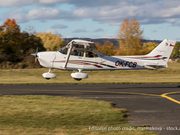
Initially, as much as I learned as an instructor, I found myself over time in a somewhat predictable routine with tips and tricks ironed out through hundreds, and eventually over a thousand hours of dual instructing provided. I grew very familiar with the tool bag of tricks I had found to be predictable. Even moving to a new state to teach in a new airplane, the learning curve was shallow. All I had to do was apply the same principles to a slightly different airplane in terrain that while different, was not so different to force different habits.
In short, I let the high level of routine guide me into a sense of complacency that kept me from seeking ways to push myself. While the easiest ways for me to challenge myself were simply visiting new airports in new states, taking the path of least resistance helped me feel like my experience was more diverse—though there was more to learn.





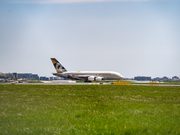
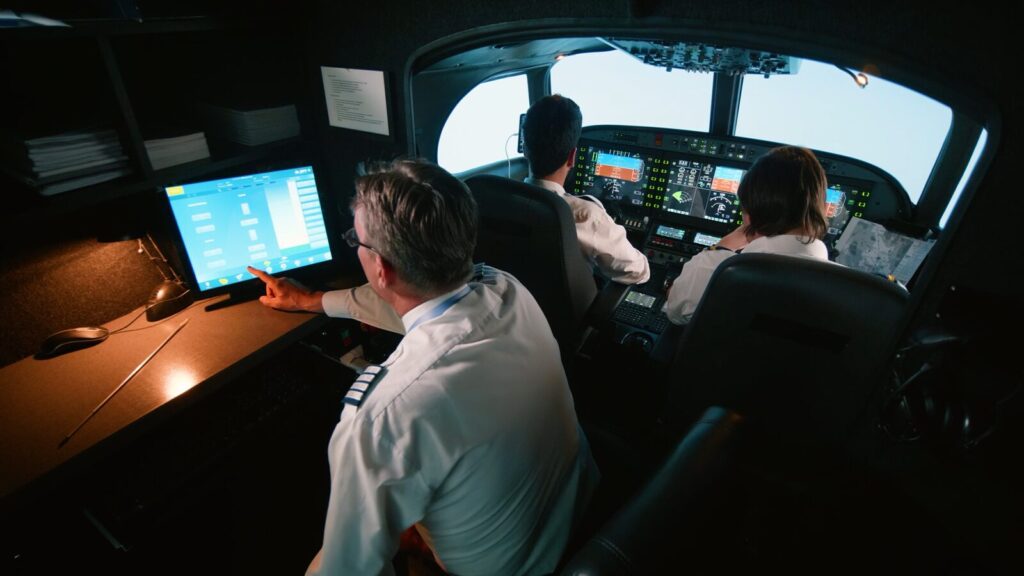
Jumping into the airline world forced me to truly resume my role as student for the first time in years. When I arrived at Basic Indoc last November, for the first time I was entering a completely new world—one where the procedures, regulations, and systems felt infinitely more complex.
Going through such an intense training program reminded me just how much there is to learn in aviation, and the importance of keeping knowledge and skills proficient. This applies not just to flying my new type at my new company but also to returning to general aviation. I find myself in the process of remembering the feel of the planes I once operated so comfortably. Now, I need to be more on my game than I had for some time.
Learning a new operation, and a brand-new airplane, has been a great reminder of just how important it is to stay active and proficient. Being a student for a couple months reminded me why they say a pilot certificate is simply a “license to learn.” Getting back into a situation where I’m out of my comfort zone has reminded me just how important it is to stay on top of preparation and planning for each flight I conduct.
It has also reminded me that with sufficient practice, it is in fact possible to grow as a pilot faster than I would have thought. Though a lesson in humility and patience, being able to grow into a new, bigger role has so far been thrilling, and I have enjoyed learning so much more about aviation and the industry.
Though airline training became a significant way of learning to be a student again, there are plenty of other ways that may be more in reach. Gaining a tailwheel endorsement, for example, was a great way to break out of my fixed-tricycle-gear comfort back when I was a full-time flight instructor. Adding a new category or class can also do the trick.
Adding new skills, in a big way or small, is necessary as a pilot to ensure that you stay sharp and prepared for whatever comes you way. The allure of the familiar is a tempting call, but I find I learn the most when I’m put in new places and new situations. I look forward to continuing to seek more experiences to expand my skills and remember how much more there is to learn as a pilot.