









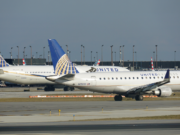


































United Airlines CEO Scott Kirby told CNBC this week that airfares will remain elevated even as fuel costs ease, arguing that structural cost increases have permanently reset the floor on ticket prices.
Fares rose more than 20% this year as airlines responded to fuel costs driven up by the Iran war. Kirby’s base case is that oil gradually declines through 2027 but stays above early 2026 levels — meaning airlines will continue passing elevated costs to passengers.
Beyond fuel, Kirby pointed to higher labor, maintenance, and airport fees as factors that have given carriers sustained pricing power. The collapse of Spirit Airlines reduced domestic capacity and removed one of the primary drivers of ultra-low fares. Kirby said that era is over, specifically citing the end of $9 tickets to Central America.
For crew, the pricing environment matters: stronger revenue supports contract negotiations, staffing levels, and network decisions. Base closures and route cuts typically follow margin compression; the inverse — expansion — tends to follow the opposite.





United is acting on that confidence. The carrier announced 10 new international routes at Newark on Tuesday, targeting destinations described as unique and less saturated, including Okinawa and Ljubljana. The route additions reflect United’s read on shifting travel patterns, particularly the extension of southern Europe’s peak season into October as heatwaves push demand later into the fall.
Not everyone is buying the sustained-pricing thesis. Wall Street analysts have flagged that planned double-digit capacity growth from both United and American could undermine fare levels. More seats chasing the same passengers historically compresses yields, regardless of cost structures.