






















































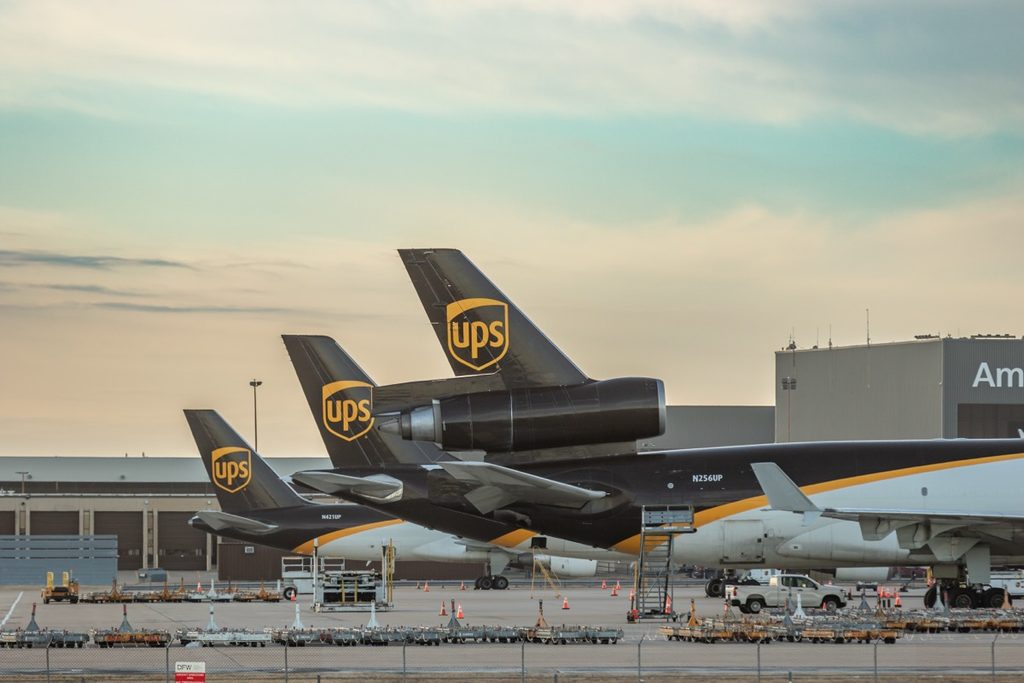
United Parcel Service deliberately cut its Amazon delivery volume by more than half after determining that the revenue those packages generated was no longer profitable enough to justify the work. The margin data coming out of that decision suggests the strategy is paying off.
Gross profits and operating cash flow have stabilized since the cuts and are showing signs of recovering faster than revenue is projected to in 2027. EBITDA margins and gross margins are both running above 2024 levels — the point at which UPS concluded the Amazon relationship had become untenable — despite elevated fuel costs in the interim. Revenue is down, but by less than the volume reduction would suggest.
UPS CEO Carol Tomé framed the move as the company “taking control of our destiny.”
The company does not expect to return to 2022 profitability levels anytime soon. That year represented an unusual combination: pandemic-driven e-commerce demand remained high while fuel prices — diesel, jet fuel, and gasoline — spiked before retreating in 2023 and 2024. UPS was not able to manage that price volatility as effectively as Amazon during that window.





For UPS’s air operation specifically, the volume reduction means fewer Amazon packages moving through the network — roughly two million fewer per day, according to a separate report cited in the same publication. Where those packages go now is Amazon’s problem to solve, whether through its own growing logistics arm or other carriers.
The margin recovery, if it continues, would validate a deliberate revenue trade-off that few large carriers attempt: walking away from a major customer to protect profitability.