









































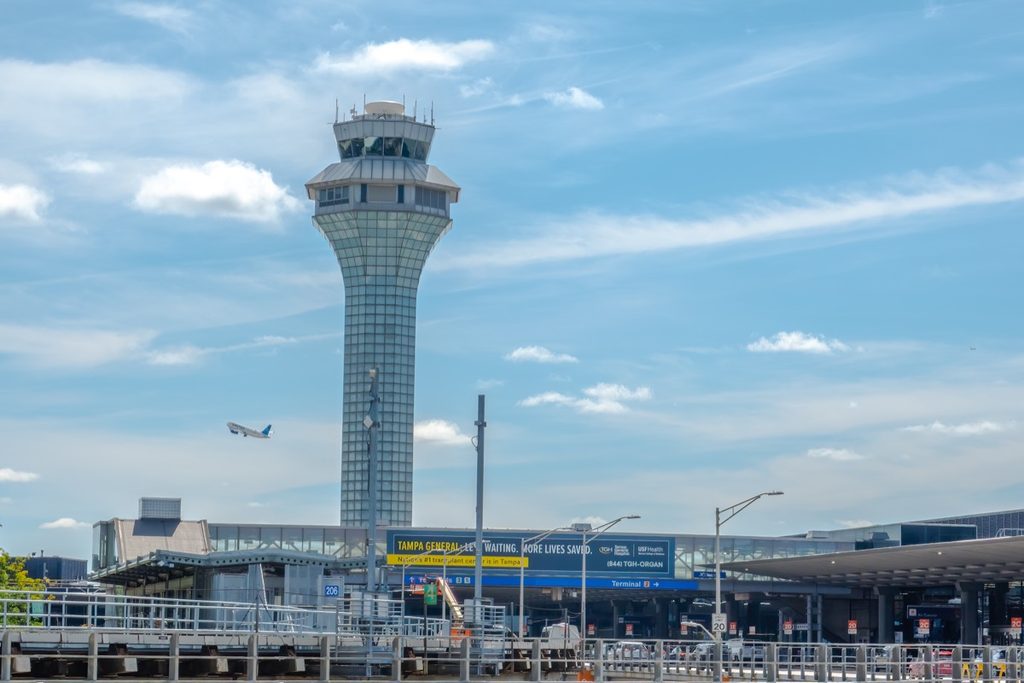
The FAA closed fiscal year 2026 with 11,027 certified controllers on duty — the highest certified staffing level in ten years — and hired 2,235 trainees this year, surpassing its previous all-time hiring record and meeting its annual goal.
The numbers represent real progress, but the agency remains roughly 1,500 controllers short of full staffing. The FAA recently revised its target downward to 12,563 certified controllers from a prior estimate of 14,633, which accounts for much of the apparent gap closure on paper.
For working controllers, the shortage continues to mean mandatory overtime and compressed rest. Dan Bubb, an associate professor at UNLV and former airline pilot, noted concern about controllers currently carrying that load. The pipeline problem is structural: FAA Academy in Oklahoma City takes several months to complete, and on-the-job training after that runs years, depending on the complexity of the assigned airspace. New hires cannot be placed directly into high-density facilities.
The Trump administration moved earlier this year to shorten that timeline by boosting starting pay for academy trainees and eliminating steps in the application process that the Transportation Department said had been adding months to hiring. The administration also launched a targeted recruitment push aimed at gamers, arguing the skill set translates to controller tasks. That campaign generated more than 12,000 applications and resulted in hiring more than 2,000 people.





FAA Administrator Bryan Bedford acknowledged the milestone without treating it as a conclusion. “Meeting this year’s hiring goal is an important milestone, but it’s not the finish line,” he said in a statement. Bedford had told Congress in December that the prior staffing model was designed to be “chronically understaffed.”
Attrition remains a compounding factor. Experienced controllers continue to retire or leave, meaning the agency must hire well above replacement rate just to hold the line on certified headcount.
The FAA has set targets of 2,300 new trainees in fiscal year 2027 and 2,400 in 2028 to sustain the momentum.
Beyond headcount, the agency is pursuing equipment and technology upgrades alongside the staffing push. Transportation Secretary Sean Duffy has asked Congress for funding to replace deteriorating infrastructure, including radio systems, ATC facilities, and copper wiring that would be swapped for fiber optics.
The FAA is also testing an AI-based scheduling tool called Strategic Management of Airspace, Routing and Trajectories — SMART — in the Washington region. The system is designed to analyze airline schedules, weather, and other disruptions to flag potential conflicts and suggest alternate routing to reduce delays. A nationwide rollout is targeted for 2028. The FAA has stated the tool is intended to support controllers, not replace them.
Some airlines have raised concerns about how SMART would interact with their established schedule structures. Bubb echoed caution on the rollout pace, saying the priority should be ensuring no major steps are skipped before broader deployment.