


















































A recent NASA ASRS CALLBACK featured a phenomenal example of coordination between the aircraft dispatcher and a flight crew on a high workload, short leg flight. Both pilots and aircraft dispatchers are expected to know the rules if a flight under IFR loses communication, but few of us have dealt with such a scenario. The report explained how the moment the main wheels of the Boeing 737 lifted off, an excruciating squeal came through the radios and intercom system.
This squeal was so loud, the captain and first officer could not communicate with each other on their intercom or with ATC! Using hand signals, they continued the climb. Troubleshooting began at a safe altitude, but absolutely nothing fixed the horrendous squeal. The crew continued with the filed flight plan, climbing to FL280 while squawking 7600 on the transponder to notify ATC.
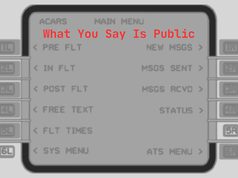
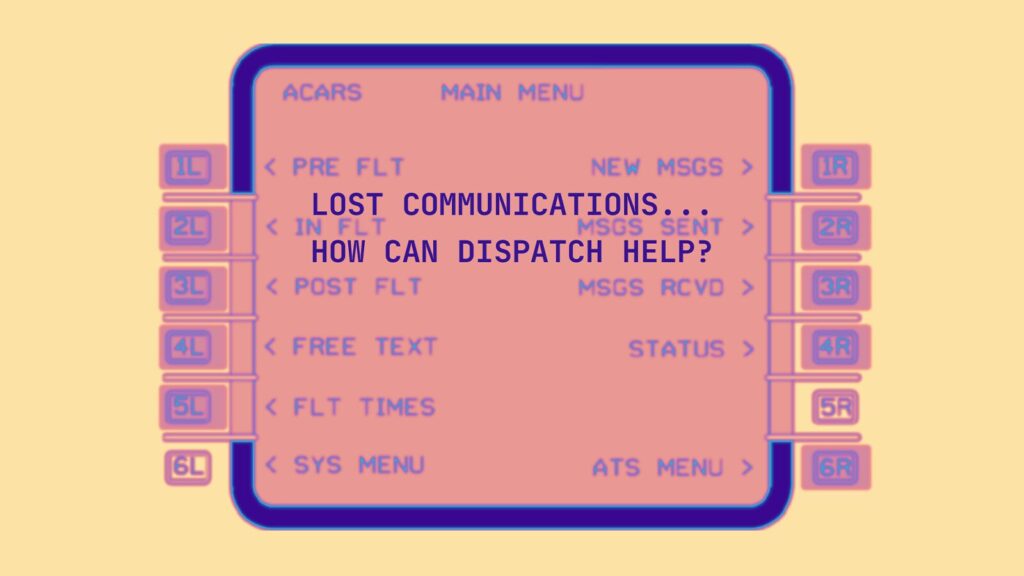
During the climb, the crew contacted their dispatcher through ACARS requesting the dispatcher coordinate with ATC. The dispatcher did this, ensuring ATC knew the flight was continuing to FL280. The flight’s dispatcher continued as the “ATC relay” and passed along the descent clearance, altitude assignments, and even the clearance to fly the approach. This culminated with dispatch speaking to the tower controller and relaying the landing clearance to the flight crew, all over ACARS.
Amidst all this, the crew had to open the flight deck door to explain to the flight attendants the interphone issues, as this was also affected. The flight crew worked out a signal with the flight attendants to secure the cabin and communicate with chimes once the cabin was secured for landing.






The landing was uneventful, and once off the runway, the captain called the tower controller on his cell phone. This was the first time the flight’s crew had been able to verbally communicate with anyone on the ground since departure! The tower controller gave the flight crew their taxi clearance to the gate.
What is phenomenal about this story is how the crew and dispatcher worked together and used all available resources to ensure communications were maintained on this highly unusual communications problem. The aircraft was not equipped with HF or SATCOM, only VHF and ACARS. That meant when VHF was unusable, the crew followed the IFR process for lost communications while using their one remaining way to communicate: ACARS and their dispatcher.
The dispatcher in this case became crucial to the flight’s communications. Without the dispatcher speaking to ATC and relaying clearances, this could have escalated to a NORDO (no radio) security event involving scrambling escort aircraft. The ability of the dispatcher to coordinate with the crew and ATC contributed essential elements to ensure a safe outcome. This flight is also a fantastic reminder of why IFR lost-communication protocols are important to understand and benefit from periodic review.
When we relegate lost-communication procedures to “something to be learned to pass a checkride,” we may not recall them when they’re most needed! If we relegate the dispatcher to “the fuel gatekeeper” or “the weather monitor” or “the MEL coordinator,” we may not consider the dispatcher’s other abilities to help when it matters most. The adage of “aviate, navigate, communicate” played out perfectly in this crew’s experience. On this day, however, the dispatcher’s role was elevated far beyond the typical operational control duties performed for most flights.
For further details, the specific report’s number is 2014654 in the NASA ASRS database. Watch more with this short video I made on the topic or scan this QR code to watch on YouTube.