















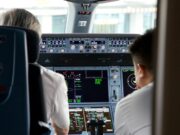












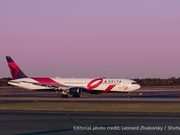






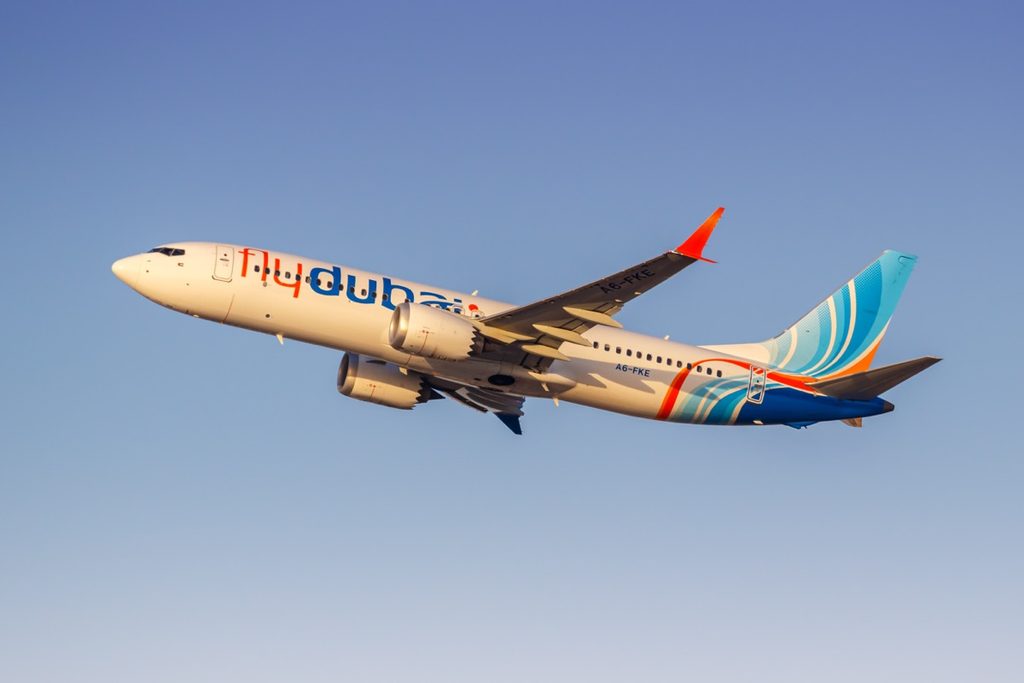
Saudi Arabia has opened an air safety investigation into the September 30 cockpit attack aboard flydubai Flight FZ1073, running parallel to a criminal case led by the United Arab Emirates. Three people close to the matter told Reuters of the Saudi probe.
The flight, a Boeing 737 MAX operating to Israel, was in Saudi airspace when the co-pilot allegedly attacked the captain with an axe and attempted to bring the aircraft down. The jet dropped sharply before control was regained. All 172 people on board were unhurt. The UAE prosecutor general has described the incident as a terrorist attack. The co-pilot, identified as Hamam al-Hammami, an Omani national, allegedly planned to crash the aircraft into Tel Aviv's Ben Gurion International Airport.
Safety investigations are standard after accidents but are not required when a deliberate act is suspected. Saudi Arabia proceeding regardless is notable — and the scope of what investigators can examine is significant for the industry.
The US National Transportation Safety Board has assigned a representative to the probe, consistent with its role under international rules when a US-built aircraft is involved. The UAE participates automatically under Annex 13, the international framework governing accident investigations, because flydubai is based in Dubai and the aircraft is UAE-registered. Israel has offered to join the Saudi probe but has not been invited. Ofer Vaknin, head of Israel's Aircraft Safety Investigation Authority, told Reuters that Israel may not need to participate since the aircraft itself had no operational or safety fault — nearly all passengers on board were Israeli nationals.



Annex 13 grants observer status to countries with citizens killed or injured in an incident. Because no one was hurt, the rulebook offers no clear answer on Israel's standing, leaving that question unresolved.
For crew, the investigation's relevance goes beyond this single flight. Safety officials told Reuters that even deliberate acts can produce findings the industry acts on — specifically around pilot hiring and screening processes, and cockpit security procedures. Al-Hammami trained in the UK, New Zealand, and Australia before joining flydubai; how he cleared aviation safety vetting in multiple jurisdictions is a question the probe can pursue even as prosecutors handle the criminal side.
Friction between safety investigators and criminal prosecutors is not new. The 2015 Germanwings crash investigation by France's BEA proceeded despite a dispute with prosecutors over evidence access. In 2020, following Iran's shoot-down of a Ukrainian airliner, US and Iranian aviation officials still participated together in cockpit recording review at BEA's offices. Experts say the UN-backed Annex 13 system has historically functioned across political divides — relevant here because Saudi Arabia and Israel have no diplomatic relations.
Whether Saudi investigators will publish their findings remains unclear. One Reuters source said that question had not been resolved. The Saudi National Transport Safety Center, the government, and the aviation regulator did not respond to Reuters requests for comment.